
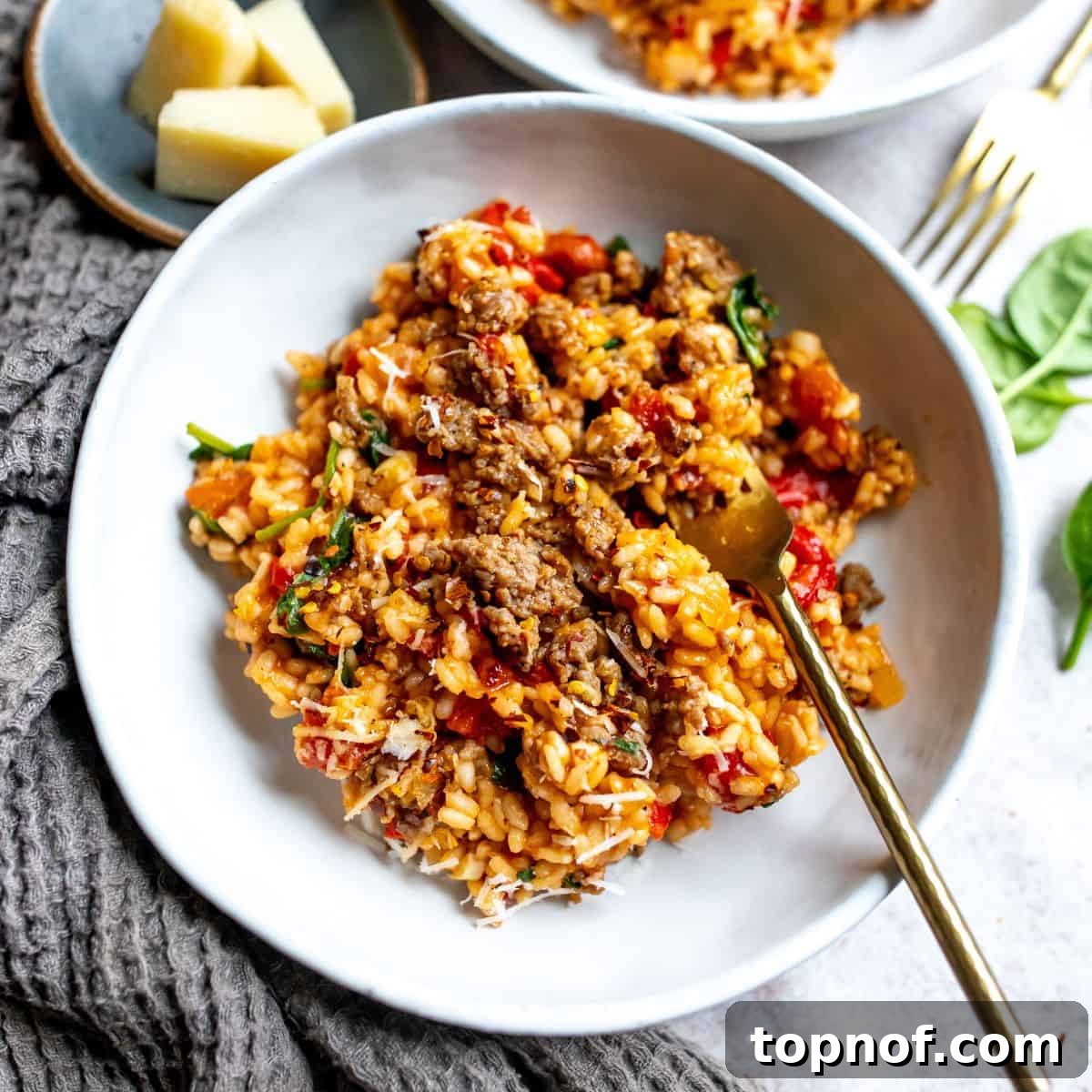
Sausage Risotto is a quintessential Italian comfort food, renowned for its luxurious creaminess and deeply satisfying flavors. This recipe perfectly marries the robust, savory notes of Italian sausage with the tender, starchy texture of Arborio rice, cooked slowly to absorb a rich, aromatic broth. It’s a dish that feels both elegant and incredibly comforting, making it ideal for a special family dinner or a cozy night in.
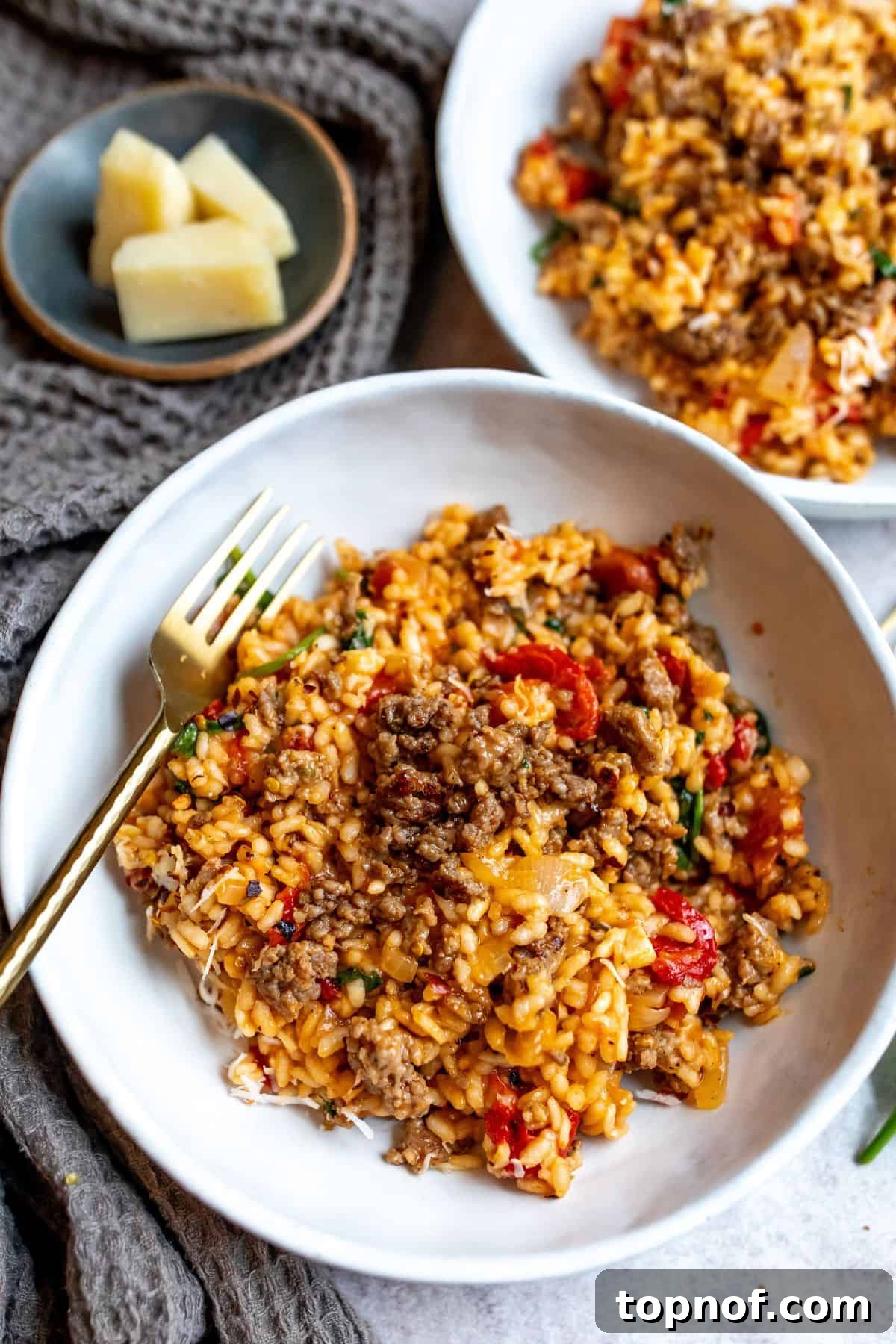
Table of Contents
- Why You’ll Love This Sausage Risotto Recipe
- The Essence of Risotto: A Culinary Journey
- Key Ingredients for Perfect Sausage Risotto
- Delicious Recipe Variations to Try
- Step-by-Step Guide to Making Sausage Risotto
- Sausage Risotto FAQs
- Expert Risotto Cooking Tips
- Perfect Pairings for Sausage Risotto
- More Mouthwatering Dinner Recipes to Explore
- Sausage Risotto Full Recipe
Why You’ll Love This Sausage Risotto Recipe
Few dishes deliver the comforting satisfaction of a meticulously crafted risotto, and this Sausage Risotto stands out as a true masterpiece. Whether you’re an experienced home cook or new to the art of Italian cuisine, this recipe promises to impress with its depth of flavor and irresistible texture. It’s a dish that transcends the ordinary, offering a heartwarming experience with every spoonful.
This particular Sausage Risotto is more than just a meal; it’s a symphony of Italian-inspired flavors, thoughtfully balanced to create an unforgettable dining experience. The rich, seasoned Italian sausage provides a robust protein element and a delightful, crave-worthy texture that complements the creamy rice beautifully. The addition of fire-roasted red peppers and a vibrant tomato broth infuses the dish with layers of complex aromas and a subtle sweetness that brightens the entire profile. It’s hearty enough to be a standalone main course, yet sophisticated enough to grace any dinner table. Furthermore, this risotto is surprisingly versatile for meal prep; it reheats wonderfully, often tasting even better the next day as the flavors have more time to meld and deepen.
The Essence of Risotto: A Culinary Journey
Risotto is a traditional Italian rice dish that transforms simple ingredients into a luxurious, creamy creation. At its heart is Arborio rice, a short-grain variety known for its high starch content. Unlike typical rice dishes where grains are boiled until fluffy, risotto employs a unique, slow, and methodical cooking technique. The rice is gently toasted, then slowly simmered with successive additions of hot, flavorful liquid – in our case, a rich tomato-infused beef broth and a splash of white wine. This gradual process, coupled with constant stirring, encourages the rice grains to rub against each other, releasing their starches into the liquid. This natural starch creates the signature creamy, luscious texture that defines an authentic risotto, distinguishing it from any other rice preparation. While it requires patience and attention, the rewarding outcome – a perfectly al dente, creamy dish that coats the palate – makes every bit of effort worthwhile.
Key Ingredients for Perfect Sausage Risotto
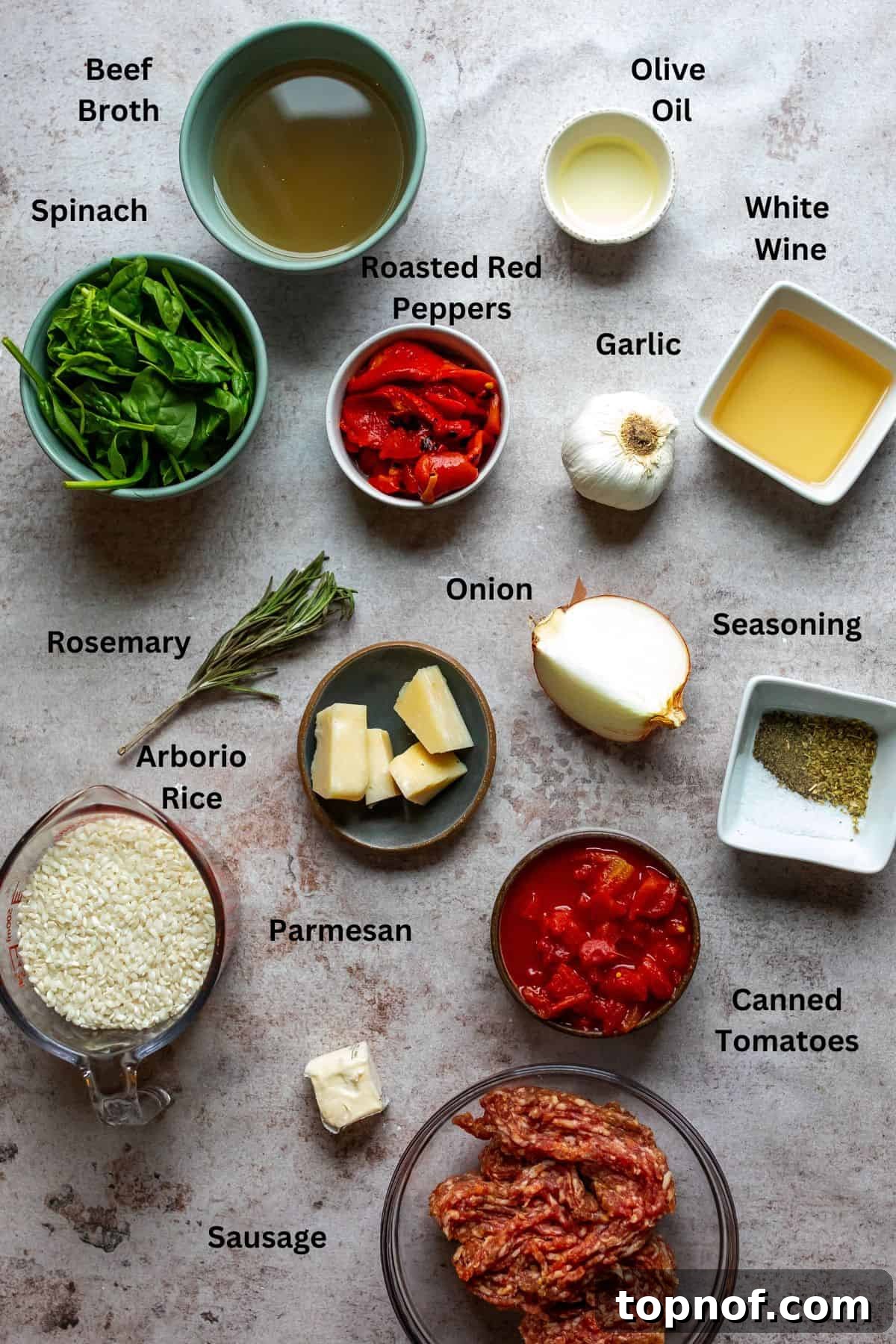
Crafting an exceptional Sausage Risotto begins with selecting quality ingredients. Each component plays a vital role in achieving the dish’s signature flavor and texture:
- Arborio Rice: This is the undeniable star of any risotto. Its short, plump grains are rich in amylopectin starch, which is crucial for achieving that characteristic creamy consistency as it’s released during the slow cooking process. You can typically find Arborio rice in the rice aisle or the international foods section of most grocery stores.
- Italian Sausage: The foundation of this dish’s hearty flavor. We recommend using either spicy Italian sausage for a delightful kick or mild Italian sausage if you prefer a gentler flavor profile. The fat from the sausage renders down to create a flavorful base for the entire dish.
- Canned Diced Tomatoes: These add a vibrant acidity and sweetness, forming a key part of our rich broth. Any good quality diced tomatoes will work perfectly.
- Roasted Red Peppers: For convenience and robust flavor, jarred pre-roasted red peppers are a fantastic choice. They contribute a smoky, sweet depth that pairs wonderfully with the sausage and tomato.
- Aromatic Vegetables: Diced yellow onion and minced garlic are essential building blocks of flavor, providing a fragrant base when sautéed.
- Seasonings: A harmonious blend of salt, black cracked pepper, dried oregano, dried basil, and a touch of chopped rosemary elevates the entire dish, highlighting its Italian roots.
- Low Sodium Beef Broth: The slow addition of warm broth is what transforms the rice into creamy risotto. Beef broth offers a rich, deep flavor that complements the sausage particularly well. Using low sodium allows you to control the overall saltiness of the dish.
- Dry White Wine: A splash of dry white wine, like Pinot Grigio or Sauvignon Blanc, is used to deglaze the pan, adding complexity and a subtle tang that balances the richness.
- Fresh Spinach: Stirred in at the end, spinach wilts gently into the risotto, adding a touch of vibrant color and a boost of nutrients.
- Grated Parmesan Cheese: Stirred in at the very end, Parmesan cheese melts into the risotto, enhancing its creaminess and adding a salty, umami finish.
- Butter: A final knob of butter, swirled in just before serving, adds an extra layer of richness and a silky mouthfeel.
All other specific measurements for these ingredients can be found in the comprehensive recipe card below.
Delicious Recipe Variations to Try
While our classic Sausage Risotto recipe is incredibly satisfying, it’s also wonderfully adaptable. Feel free to experiment with these variations to suit your taste or what you have on hand:
- Rice Alternatives: If Arborio rice isn’t available, Carnaroli rice is often considered the best substitute. It has an even higher starch content and absorbs liquids exceptionally well, resulting in a slightly firmer, creamier risotto. Short-grain rice varieties like Calrose (often used for sushi) can also work in a pinch, but be aware that they may yield a less textured, softer risotto, and cooking times might vary.
- Sausage & Protein Swaps: To adjust the flavor or make it a bit lighter, consider these alternatives to Italian sausage:
- Ground Turkey or Chicken: For a leaner option, ground turkey or chicken can be seasoned with Italian herbs and spices to mimic the flavor profile.
- Venison: If you enjoy game meats, venison offers a deeper, earthier flavor that pairs wonderfully with the robust tomato and pepper base.
- Chorizo: For a spicier, more intensely flavored risotto, Spanish chorizo (cured and smoked) or Mexican chorizo (fresh and seasoned) can be used, though it will give the dish a distinct, spicier character.
- Vegetarian Option: Omit the sausage entirely and instead sauté mushrooms (cremini or shiitake work well) and finely diced carrots or zucchini for added texture and umami.
- Broth Choices: While beef broth provides excellent depth with sausage, you can certainly use other broths:
- Chicken Broth: A versatile option that offers a lighter flavor profile while still being savory.
- Vegetable Broth: An excellent choice for a vegetarian version or if you prefer a milder background flavor.
- Mushroom Broth: Adds an earthy richness, particularly good if omitting meat or using mushrooms as a substitute.
- Wine Substitutions: The white wine adds a crucial layer of acidity and depth.
- Sherry Wine: A good substitute if you prefer a slightly nuttier, more oxidized flavor profile.
- Broth or Water: If you prefer to omit alcohol entirely, simply use an equal amount of your chosen broth (beef, chicken, or vegetable) to deglaze the pan. The flavor will be slightly different but still delicious.
Step-by-Step Guide to Making Sausage Risotto
Making risotto is a process that rewards patience and attention. Follow these steps carefully to achieve a perfectly creamy and flavorful Sausage Risotto:
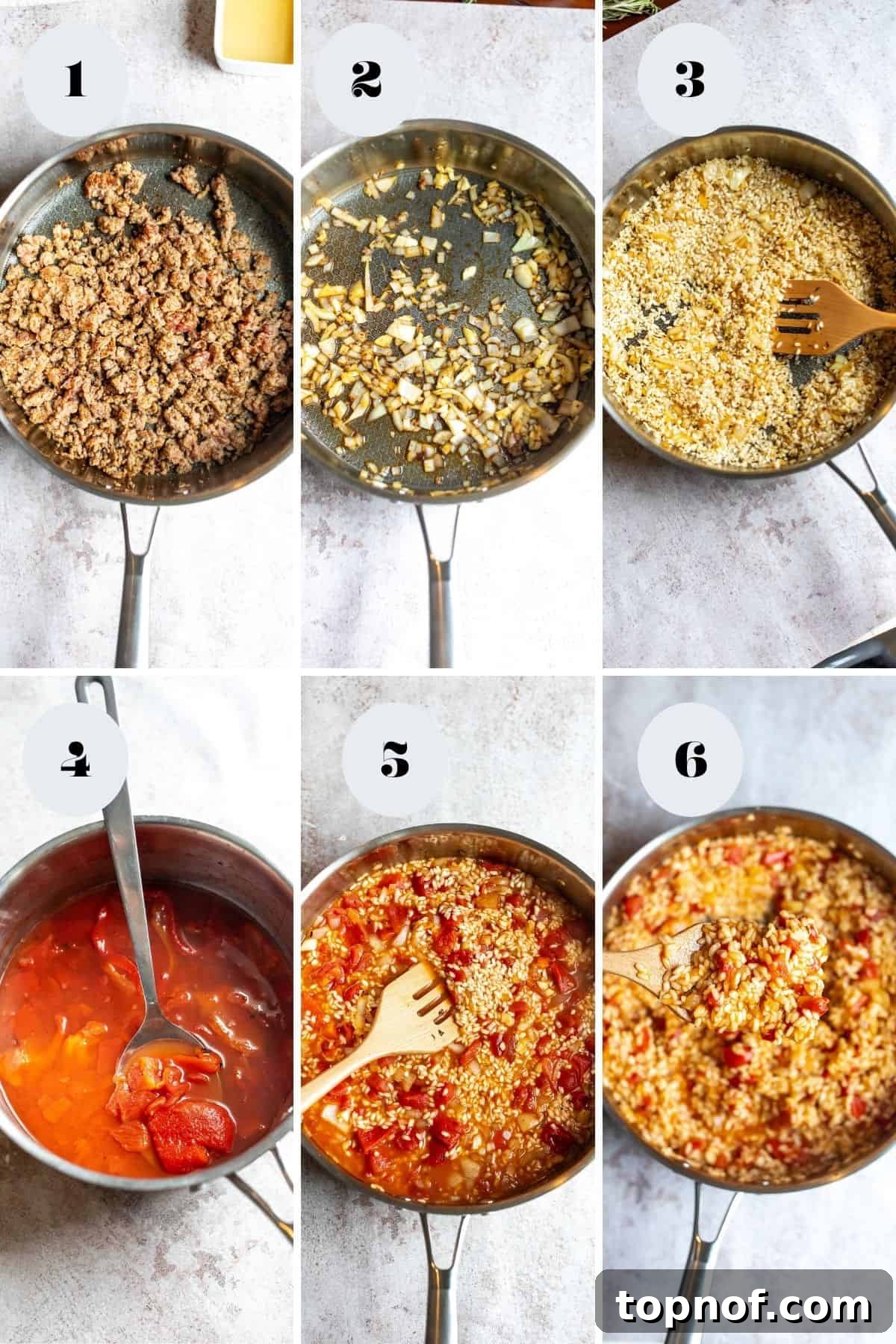
- Prepare the Sausage: Heat ½ teaspoon of olive oil in a large, deep, heavy-bottomed sauté pan or Dutch oven over medium heat. Add the Italian sausage, crumbling it with a spoon as it cooks. Stir occasionally, breaking up any large pieces, until the sausage is thoroughly cooked through and browned with crisp edges. This browning is crucial for developing deep flavor. Once cooked, carefully drain any excess grease and set the sausage aside, leaving a thin layer of fat in the pan for the next step.
- Simmer the Broth Mixture: While the sausage is cooking, combine the canned diced tomatoes (with their juices), roasted red peppers, and beef broth in a separate medium saucepan. Place it over low heat and allow it to come to a very low simmer. Keeping the broth warm and gently simmering throughout the cooking process is essential; adding cold liquid to hot rice would lower the pan’s temperature and disrupt the cooking.
- Sauté Aromatics and Toast Rice: Using the same pan with the residual sausage grease, add the diced yellow onion, garlic, and dry seasonings (salt, pepper, oregano, basil, rosemary). Sauté for about 3 minutes over medium-low heat until the onions become translucent and softened, and the garlic is fragrant. Next, add the Arborio rice to the pan. Stir constantly for about 2-3 minutes, ensuring every grain is thoroughly coated in the flavorful fat. This toasting, known as “tostatura,” helps the rice absorb liquid more evenly and prevents it from becoming mushy. You’ll notice the edges of the rice grains starting to turn translucent, but the centers will remain opaque.
- Deglaze with Wine: Pour the dry white wine into the pan. This step is called deglazing, and it helps scrape up any flavorful browned bits stuck to the bottom of the pan. Stir constantly, allowing the wine to simmer and reduce, which takes approximately 3-5 minutes. The alcohol will cook off, leaving behind its complex flavors.
- Gradual Broth Addition: This is the heart of risotto making. Begin adding the warm tomato and broth mixture incrementally, one ladleful (about 1 cup) at a time, to the rice. Keep the heat at medium-low to maintain a gentle simmer and prevent the rice from burning. Stir frequently, almost continuously, until the liquid has been almost completely absorbed by the rice before adding the next ladleful. This constant stirring and gradual addition of liquid encourages the rice to release its starches, creating the characteristic creamy texture.
- Achieve Al Dente Perfection: Continue the process of adding broth and stirring. Begin tasting the rice after about 15 minutes. The risotto is done when the rice is al dente – tender to the bite but still retaining a slight, pleasant chew in the center, not crunchy. This usually takes between 25-35 minutes from the first addition of broth. The overall consistency should resemble a thick, creamy porridge that slowly spreads on a plate rather than holding a stiff shape. If you run out of the tomato-broth mixture and the rice still needs a bit more cooking, you can add any leftover plain beef broth or even warm water, ¼ cup at a time, until the desired doneness is reached.
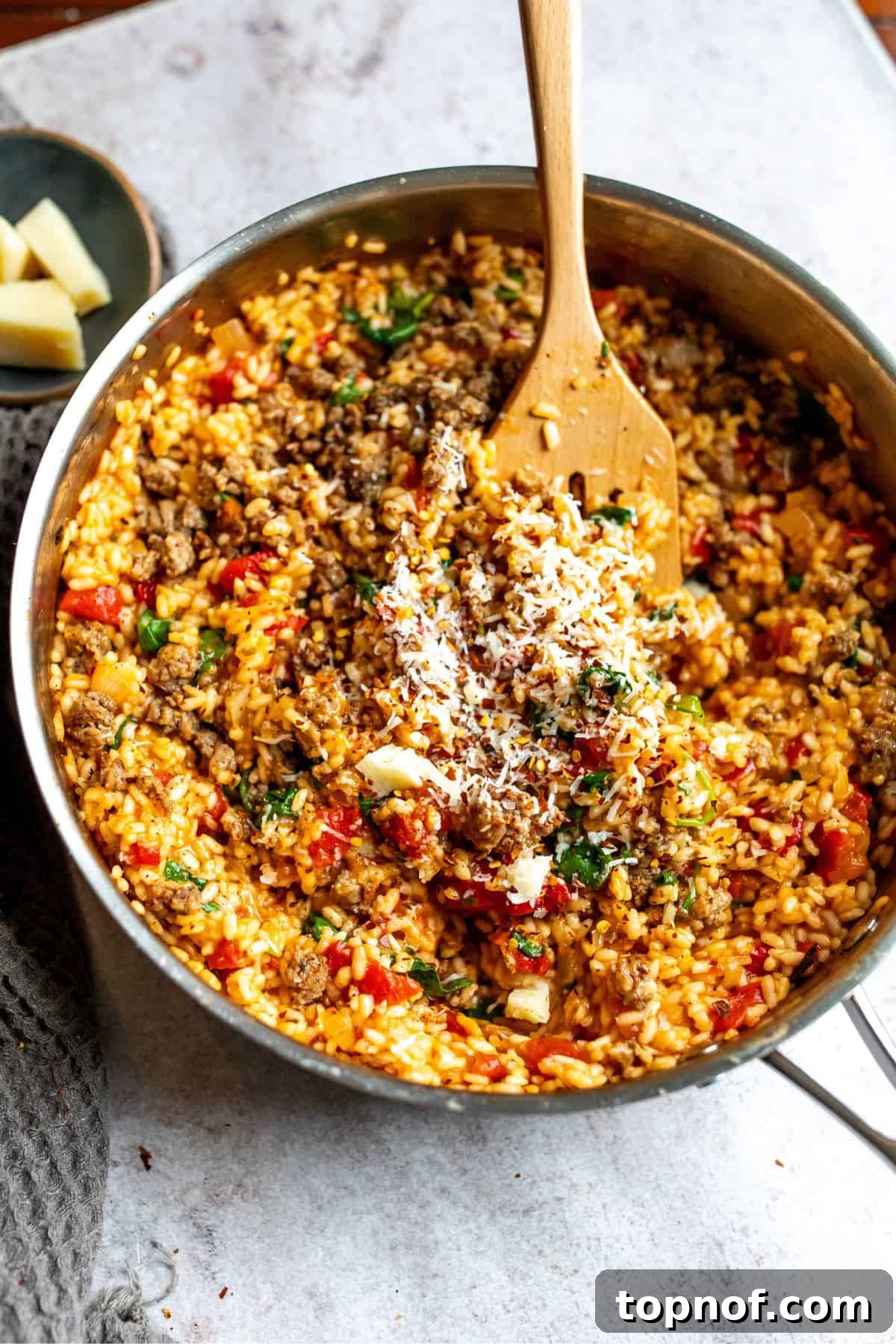
- Finishing Touches: Once the risotto is perfectly cooked, remove the pan from the heat. Stir in the chopped fresh spinach; it will quickly wilt into the warm rice. Finally, add the grated Parmesan cheese, the reserved cooked Italian sausage, and the butter. Stir gently until the butter and cheese are fully incorporated and the risotto is beautifully creamy and cohesive.
- Serve Immediately: Risotto is best enjoyed fresh from the pan. Serve immediately in warm bowls, garnished with additional grated Parmesan cheese, a sprinkle of fresh salt, and a crack of black pepper, if desired.
Store any leftovers in an airtight container in the refrigerator for up to 4 days. This risotto also freezes well for up to 2 months.
Sausage Risotto FAQs
You can use either mild or hot Italian sausage, depending on your preference. Mild sausage provides rich flavor without much heat, offering a more classic profile. Hot Italian sausage, on the other hand, adds a wonderful spicy kick that can elevate the dish for those who enjoy heat.
Absolutely! While wine is traditionally used in risotto to deglaze the pan and add a layer of complex flavor, it can certainly be omitted. Simply substitute the ½ cup of wine with an equal amount of your chosen broth (beef, chicken, or vegetable) to achieve a similar liquid volume for deglazing and simmering.
If your rice is still crunchy or the risotto seems too dry even after using all the specified tomato broth, don’t worry! This is a common occurrence as rice absorption can vary. Simply add an extra ¼ to ⅓ cup of warm broth (or even warm water if you’re out of broth) at a time, continuing to stir and cook until the rice reaches your desired al dente consistency.
To lighten up this hearty dish, consider these adjustments:
- Leaner Protein: Replace the Italian sausage with a lean ground meat like ground turkey or venison. Be sure to season it well with Italian herbs and spices.
- Reduce Sodium: Opt for low-sodium beef broth and unsalted butter. Adjust salt to taste at the very end.
- Increase Vegetables: Feel free to add more vegetables like diced zucchini, bell peppers, or additional spinach to boost nutrient content without adding significant calories.
- Less Cheese/Butter: While Parmesan and butter are key for creaminess, you can slightly reduce their quantities, or use a smaller amount as a garnish instead of stirring it all in.
Risotto is best served immediately because its creamy texture starts to firm up as it cools. However, leftovers can be stored in an airtight container in the fridge for up to 4 days and reheated gently with a splash of extra broth or water to restore some creaminess. It’s not ideal for preparing completely in advance for a fresh-cooked experience, but it’s great for meal prepping individual portions.
Expert Risotto Cooking Tips
Mastering risotto is all about understanding a few key principles. Keep these tips in mind for a consistently perfect result:
- Choose the Right Pan: A wide, heavy-bottomed pan or a Dutch oven is your best friend for risotto. Its broad surface area allows for even heat distribution, which is crucial for uniform cooking of the rice. The wide opening also provides ample space for constant stirring, allowing the starches to release effectively.
- Sear the Sausage Well: Don’t rush the sausage cooking process. Ensure you brown it thoroughly until it develops a beautiful caramelization on its edges. This browning creates a rich, complex flavor (fond) on the bottom of the pan, which will be deglazed and incorporated into the risotto, adding incredible depth.
- Keep Your Broth Warm: Always heat your broth (and tomato mixture) in a separate saucepan and keep it at a gentle simmer throughout the risotto cooking. Adding cold liquid to the hot rice will drastically lower the pan’s temperature, shocking the rice and slowing down the cooking process, resulting in a less creamy texture.
- Stir and Add Liquid Gradually: This is arguably the most critical step. Consistently stirring the rice is what encourages it to release its starches, creating that signature creamy texture. Add the warm broth one ladleful at a time, allowing each addition to be almost completely absorbed by the rice before adding the next. This gradual hydration and constant agitation are the secrets to a truly creamy risotto. If you find you need more liquid than specified (due to varying evaporation rates or rice absorption), use extra warm broth or even hot water, adding it incrementally.
- Taste as You Go: Risotto cooking times are estimates. The only way to know if your risotto is done is by tasting it. Start tasting around the 15-minute mark after you begin adding broth. You’re looking for an “al dente” texture – tender but with a slight bite or chewiness in the center, not hard or mushy.
Perfect Pairings for Sausage Risotto
This hearty Sausage Risotto is quite substantial on its own, but it can be beautifully complemented by a few thoughtful additions to create a complete meal. For a touch of freshness and balance, consider serving it alongside a crisp, vibrant green salad. A simple Lemon Kale Caesar salad with a light dressing would cut through the richness of the risotto wonderfully. To soak up every last bit of creamy goodness, warm, crusty bread is always a welcome accompaniment. Our Garlic Rolls would be an excellent choice, adding another layer of comforting flavor. For a beverage pairing, a medium-bodied red wine like a Sangiovese or a lighter Montepulciano would complement the Italian sausage beautifully, or a crisp, dry white wine like a Pinot Grigio if you prefer white. Finish your meal with a light dessert, like fresh berries or a sorbet, to cleanse the palate.
More Mouthwatering Dinner Recipes to Explore
Discover Your Next Favorite Dinner!
Dinner
Crock Pot Chicken Enchiladas
Dinner
Ground Beef Fajitas
Dinner
Slow Cooker Garlic Parmesan Chicken
Dinner
One Pan Chicken And Veggies
We hope you thoroughly enjoy preparing and savoring this incredible Sausage Risotto! If you loved this recipe, please let us know by leaving a comment below. For even more exciting recipes designed to nourish you from the inside out, be sure to follow us on Instagram and Pinterest. Thank you for being part of our culinary community!

Sausage Risotto
Bailey Rhatigan
5 mins
45 mins
50 mins
6
Pin Recipe
Rate Recipe
Print Recipe
Equipment
-
heavy-bottomed deep skillet or Dutch oven
-
sharp knives
Ingredients
- 1 lb sausage, *see notes
- ½ tsp olive oil
- 1 28oz can diced tomatoes
- 1 cup roasted red peppers
- 4½ cup low sodium beef broth, *see notes
- ⅓ cup yellow onion, diced
- 2 garlic cloves, minced
- ½ tsp salt
- ½ tsp black cracked pepper
- 1 tsp dried basil
- ½ tsp chopped rosemary
- ½ tsp dried oregano
- ½ cup dry white wine, *see notes
- 2 cup Arborio rice, *see notes
- 1½ cup spinach, chopped
- ½ cup grated Parmesan
- 1 Tbsp butter
Instructions
- Heat ½ tsp oil in a large, deep, heavy-bottomed sauté pan or Dutch oven over medium heat. Crumble the sausage into the pan and cook, breaking up any large pieces and stirring occasionally, until the meat is cooked through and crisp at the edges. Drain the excess grease and move the sausage to the side.
- While the sausage is cooking, add the diced tomatoes with juices, roasted red peppers and beef broth in a medium saucepan over low heat and keep it at a very low simmer to blend the flavors.
- In the same pan that’s lightly greased from the sausage, add onions, seasonings and garlic. Sauté for about 3 minutes on medium/low heat. Add the rice and stir until every grain is coated with fat. Continue stirring the rice until the edges have turned translucent but the center is still opaque, about 3 minutes.
- Add wine into the pan to deglaze everything and simmer, stirring constantly, until the wine has reduced a bit (about 3-5 minutes). Begin incrementally adding the tomatoes and broth mixture one 1 cup at a time, stirring often.
- Keep the heat on medium low to ensure the rice doesn’t burn. Wait to add another ladle until the liquid has been almost completely absorbed by the rice.
- Continue adding broth mix until the rice is al dente and no longer crunchy. Begin tasting the rice after about 15 minutes to gauge how far it has cooked. The risotto is done when it resembles a thick porridge (about 25-35 minutes). If you do run out of liquid and feel you want to cook the rice a bit more, add any leftover broth or a bit of water, ¼ cup at a time.
- Stir the chopped spinach into the risotto once it’s done, letting it wilt. Remove the risotto from the heat, add in the Parmesan, sausage, and butter. Serve immediately and add more Parmesan, salt & cracked pepper if needed.
Notes
*Ground turkey, venison, or chorizo will also work well as sausage substitutes.
*Vegetable or chicken broth will also work for this recipe instead of beef broth.
*Carnaroli rice is a great alternative to Arborio rice.
*Sherry wine is a good substitute for dry white wine.
*Store leftovers in an airtight container in the fridge for up to 4 days. You can also freeze for up to 2 months.
Nutrition
Calories: 544kcal |
Carbohydrates: 56g |
Protein: 22g |
Fat: 23g |
Saturated Fat: 8g |
Polyunsaturated Fat: 3g |
Monounsaturated Fat: 10g |
Trans Fat: 0.2g |
Cholesterol: 62mg |
Sodium: 1480mg |
Potassium: 716mg |
Fiber: 2g |
Sugar: 0.4g |
Vitamin A: 959IU |
Vitamin C: 14mg |
Calcium: 110mg |
Iron: 4mg
Nutrition information is automatically calculated, so should only be used as an approximation.
Additional Info
Bailey Rhatigan
5 minutes
45 minutes
50 minutes
dinner, Main Course
Italian
6
544
dinner, italian dinner
Like this recipe? Leave a comment below!