
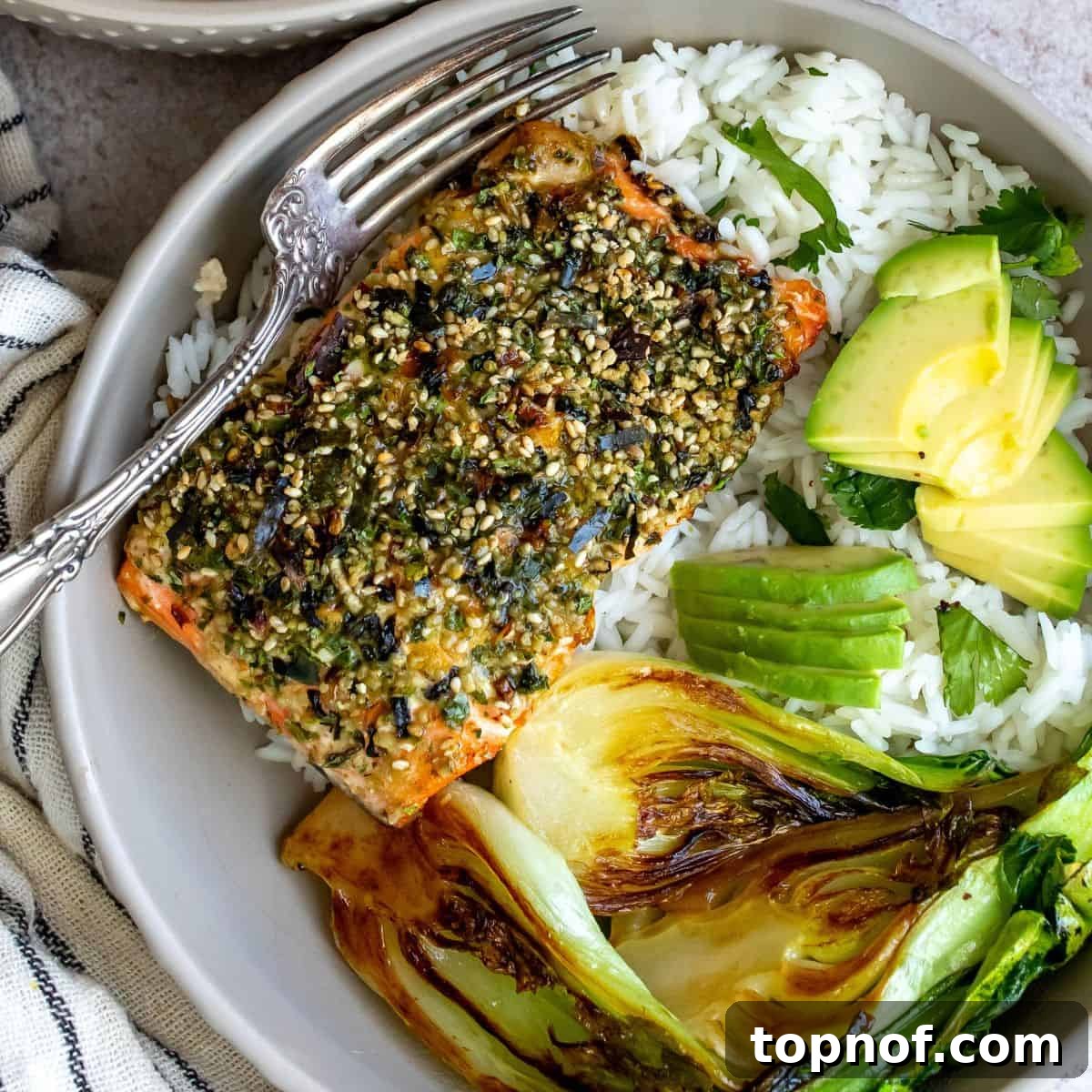
Prepare to elevate your dinner routine with this incredible Furikake Salmon recipe! Bursting with unique umami flavor and offering a delightful textural crunch, this dish is not only easy to make but also incredibly healthy. With a handful of accessible ingredients, you can create a restaurant-quality meal that’s perfect for any night of the week.
This blog post is proudly sponsored by Success® Rice. All recipes and opinions expressed are authentically my own.
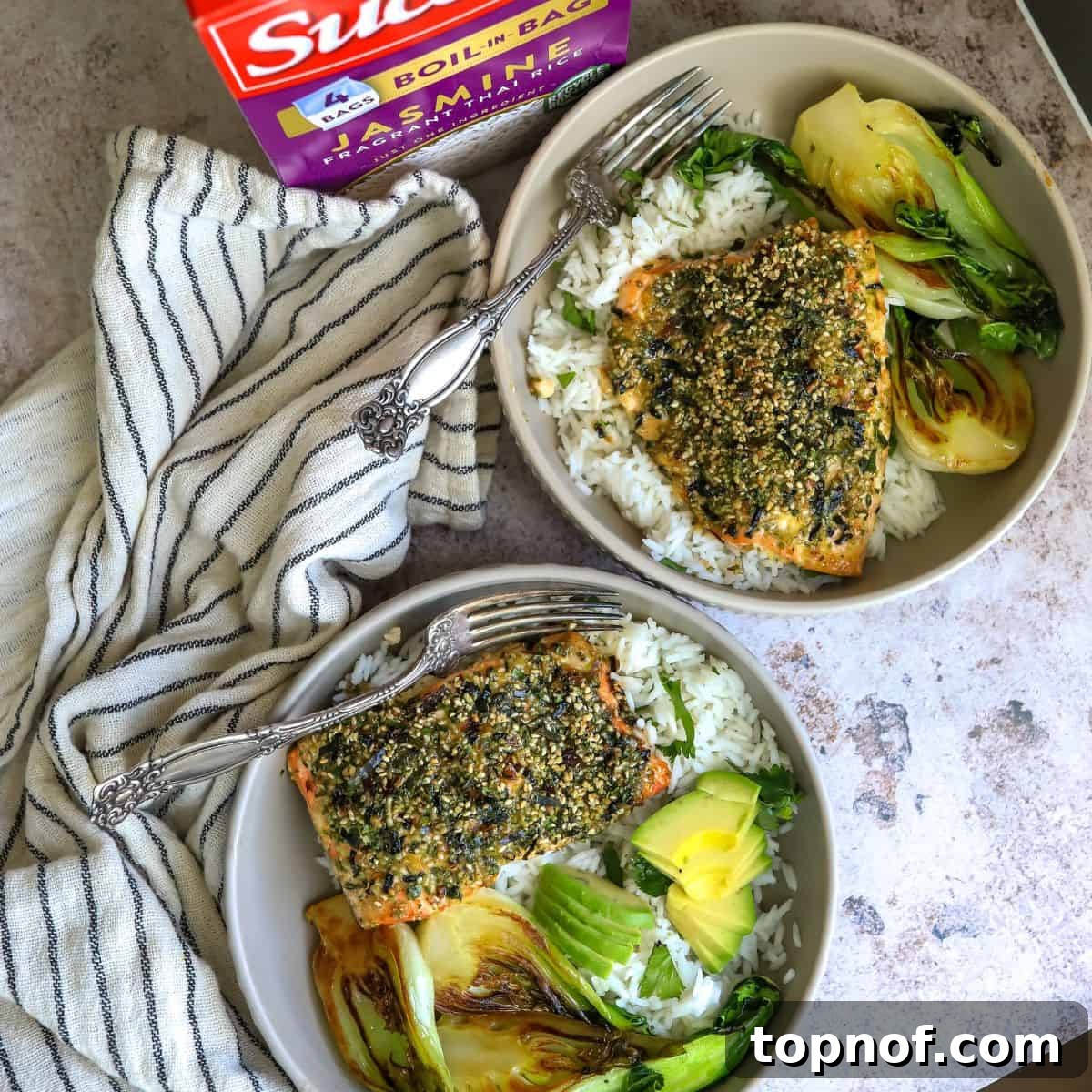
Table of Contents
- Why You’ll Love This Furikake Salmon Recipe
- Understanding Furikake: The Umami Powerhouse
- Essential Ingredients for Furikake Salmon
- The Healthy Appeal of Salmon and This Recipe
- Customizing Your Furikake Salmon
- Step-by-Step Guide to Making Furikake Salmon
- Expert Tips & Frequently Asked Questions
- Storage and Reheating Tips
- More Delicious Salmon Recipes to Explore
- Printable Furikake Salmon Recipe Card
Why You’ll Love This Furikake Salmon Recipe
This Furikake Salmon recipe stands out as an absolute winner for countless reasons. First and foremost, its simplicity is unmatched. Requiring minimal ingredients, it still delivers an explosion of big, bold flavors that will tantalize your taste buds. The beauty of this dish lies in its versatility; it pairs beautifully with fluffy rice, tender noodles, or a variety of vibrant vegetable sides. While I have a personal soft spot for crunchy baby bok choy, feel free to experiment with your favorite greens.
My journey with Furikake Salmon began during a memorable honeymoon in Hawaii, where the unique blend of savory, sweet, and nutty notes instantly captivated me. Since then, I’ve been dedicated to recreating that authentic taste in my own kitchen, proving that you don’t need a flight to Hawaii to enjoy this exquisite dish. After many attempts, I believe I have finally perfected a recipe that truly captures the essence of that Hawaiian-inspired flavor. If you’re looking to break away from your usual salmon dinner and introduce an exciting, yet effortlessly prepared, meal into your repertoire, this Furikake Salmon is precisely what you need. It’s a delightful culinary adventure that promises to become a regular favorite.
If you’re a fan of rich, creamy baked salmon recipes, be sure to also check out my Pistachio Salmon for another outstanding meal option!
Understanding Furikake: The Umami Powerhouse
Furikake is more than just a seasoning; it’s a staple of Japanese cuisine, offering a complex flavor profile that transforms ordinary dishes into extraordinary culinary experiences. This distinctive condiment originated in early 20th-century Japan, initially developed as a nutritional supplement to enhance the flavor and dietary value of plain rice. Its unique taste is characterized by a delightful interplay of savory, subtly fishy, and nutty notes, all complemented by a satisfying crunch.
Typically, Furikake is a blend of various ingredients including toasted sesame seeds, dried seaweed (nori), finely chopped herbs, savory fish flakes (often bonito), and a touch of salt and sugar. This combination creates a powerful umami punch that can awaken any dish. The market offers numerous variations, from spicy wasabi-infused blends, which offer a pleasant kick, to milder, sweeter versions. You can easily find Furikake in the international aisle of most well-stocked grocery stores, or at a local Asian specialty market. When selecting your Furikake, don’t hesitate to explore the different varieties to discover your personal favorite; each offers a slightly different nuance that can subtly alter your dish. I particularly enjoy a wasabi-infused Furikake for an extra layer of flavor and gentle heat, but all options are genuinely delicious.
Essential Ingredients for Furikake Salmon
Crafting this mouthwatering Furikake Salmon requires just a few key ingredients, each playing a vital role in achieving its signature flavor and texture. Quality ingredients truly make a difference, so here’s a closer look at what you’ll need:
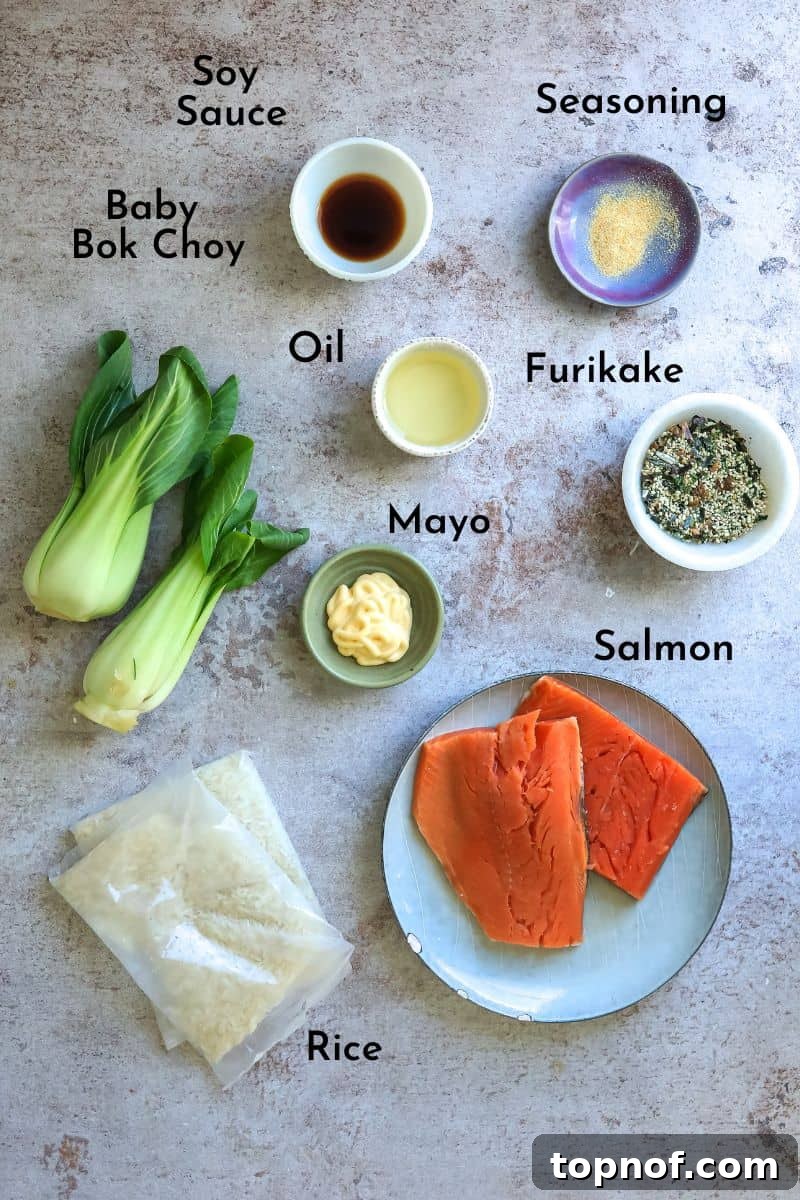
- Salmon Fillets: The star of our dish! I prefer using wild-caught salmon for its richer flavor and firm texture, but please choose any salmon you enjoy and can easily access, whether fresh or frozen fillets. Aim for 5-8 oz portions per serving.
- Furikake Seasoning: As discussed, this Japanese specialty seasoning is non-negotiable for that authentic nutty, savory, and seafood-rich flavor. If you’re new to it, start with a classic blend, or try a wasabi-infused furikake for an exciting twist. You can find it here or in your local Asian market.
- Mayonnaise: This acts as the perfect binder and adds a delightful creamy richness to the salmon, ensuring the Furikake adheres beautifully. I highly recommend Kewpie mayo for its distinct tangy and slightly sweeter profile, which complements Japanese flavors wonderfully. However, your favorite American mayonnaise will also work perfectly.
- Soy Sauce: Just a small amount is needed to deepen the umami notes and tie all the flavors together harmoniously. I always opt for a low-sodium soy sauce to control the overall saltiness of the dish.
- Simple Seasoning: A pinch of salt and garlic powder goes a long way in enhancing the natural flavors of the salmon before the topping is applied.
- Olive Oil: Essential for preventing the salmon from sticking to the baking sheet and helping to achieve a beautifully golden exterior.
- Success® Boil-in-Bag Jasmine Rice: For a quick and convenient side, I chose Jasmine rice, which offers a fragrant and slightly sticky texture that’s ideal for soaking up the salmon’s flavors. Brown rice is also an excellent, wholesome alternative that pairs wonderfully with this recipe.
- Baby Bok Choy: While optional, sautéed baby bok choy is my preferred side. Its mild flavor and wonderful crunch provide a fresh counterpoint to the rich salmon. Broccoli or bell peppers can be easily substituted if bok choy isn’t available.
- Avocado Slices: Another optional but highly recommended garnish. Fresh avocado adds a creamy texture, healthy fats, and a beautiful pop of color to the finished plate.
The Healthy Appeal of Salmon and This Recipe
This Furikake Salmon isn’t just delicious; it’s also a powerhouse of nutrition, making it an excellent choice for a healthy lifestyle. Salmon itself is renowned for being an incredible source of omega-3 fatty acids, particularly EPA and DHA, which are crucial for heart health, brain function, and reducing inflammation throughout the body. It’s also packed with high-quality protein, essential for muscle repair and growth, and a good source of B vitamins, vital for energy production. Including salmon in your diet regularly can contribute to overall well-being and a balanced nutritional intake.
Beyond the salmon, the recipe incorporates other beneficial ingredients. The Furikake, with its seaweed content, offers additional minerals and vitamins. Pairing the salmon with nutrient-dense sides like baby bok choy further amplifies the health benefits. Bok choy is a cruciferous vegetable rich in vitamins A, C, and K, as well as calcium and folate, supporting bone health and immunity. When served with rice, this meal provides a balanced combination of protein, healthy fats, and complex carbohydrates, ensuring sustained energy and satisfaction. This entire dish is a testament to how flavorful and satisfying healthy eating can be.
Customizing Your Furikake Salmon
One of the joys of cooking is the ability to adapt recipes to suit your preferences or what you have on hand. This Furikake Salmon recipe is incredibly flexible, allowing for several delicious variations:
Salmon Alternatives: While salmon is ideal, you can easily substitute it with other boneless white fish fillets such as cod, halibut, or even tilapia. The cooking time might vary slightly depending on the thickness of the fish, so keep an eye on it.
Vegetable Swaps: If baby bok choy isn’t your favorite or isn’t available, feel free to use other vegetables. Sautéed mushrooms, roasted Brussels sprouts, colorful bell peppers, or steamed broccoli florets all make excellent companions. Even sautéed spinach or asparagus would be a delicious addition.
Rice Alternatives: For a lower-carb option, consider serving the salmon over cauliflower rice. Quinoa is another fantastic whole-grain choice that adds a different texture and nutritional profile to your meal.
Mayo Substitutions: If you’re looking to lighten the dish or prefer an alternative, Greek yogurt can be used in place of mayonnaise. While it offers a similar creamy texture, be aware that the salmon might not hold the Furikake seasoning quite as firmly without the mayo’s binding properties, and the flavor profile will be slightly different.
Step-by-Step Guide to Making Furikake Salmon
Creating this flavorful Furikake Salmon is a straightforward process. Follow these simple steps for a perfect meal every time:
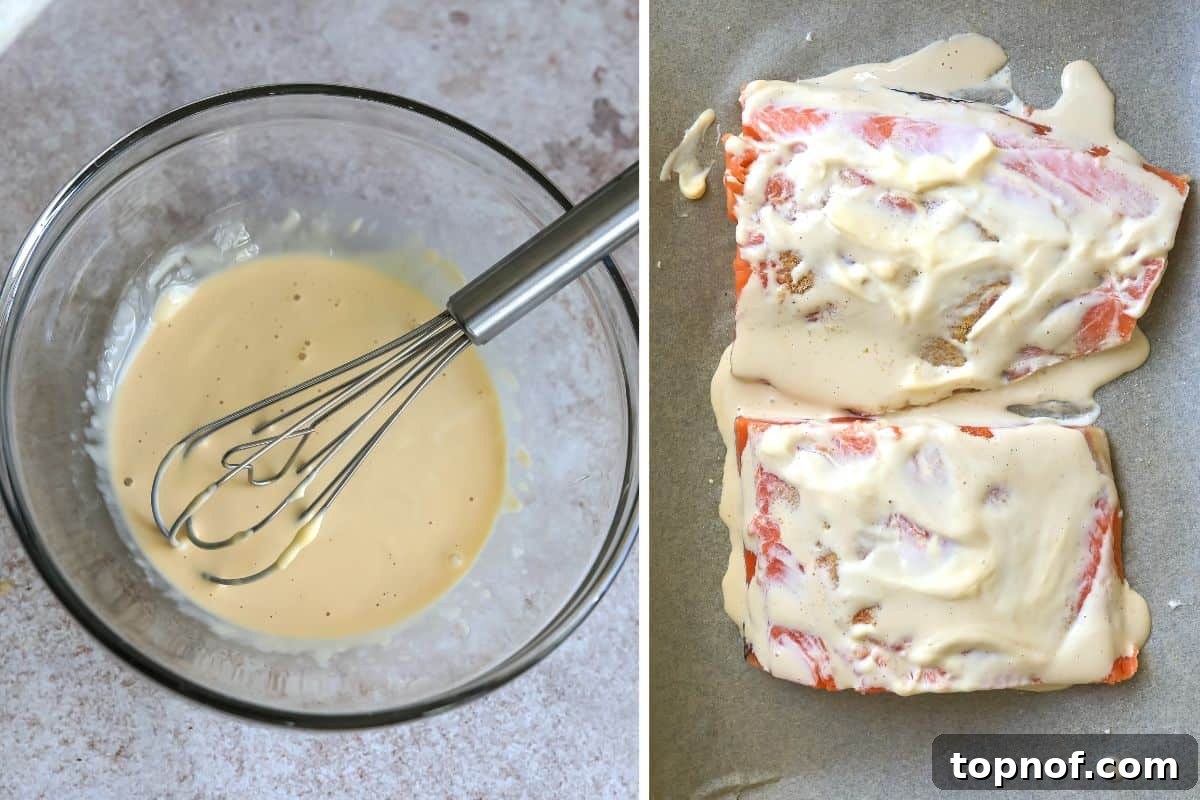
Step One: Prepare the Salmon and Mayo Mixture. Begin by preheating your oven to 375ºF (190ºC). In a small mixing bowl, combine the mayonnaise and soy sauce, stirring until well blended. Next, gently pat your salmon fillets completely dry with paper towels; this step is crucial for achieving a good sear and ensuring the topping adheres properly. Place the salmon, skin side down if it has skin, on a parchment-lined baking sheet that has been lightly oiled to prevent sticking. Season the salmon lightly with salt and garlic powder. Finally, spread the prepared mayo mixture evenly over the top of each salmon fillet.
Step Two: Apply Furikake and Bake. Generously sprinkle the Furikake seasoning over the mayonnaise-coated salmon. The mayo mixture not only adds a delicious creamy base but also acts as an excellent adhesive, holding the Furikake in place. Transfer the baking sheet with the salmon to the preheated oven and bake for 12-15 minutes. The precise baking time may vary based on the thickness of your salmon fillets and your desired level of doneness. Salmon is typically cooked when it flakes easily with a fork.
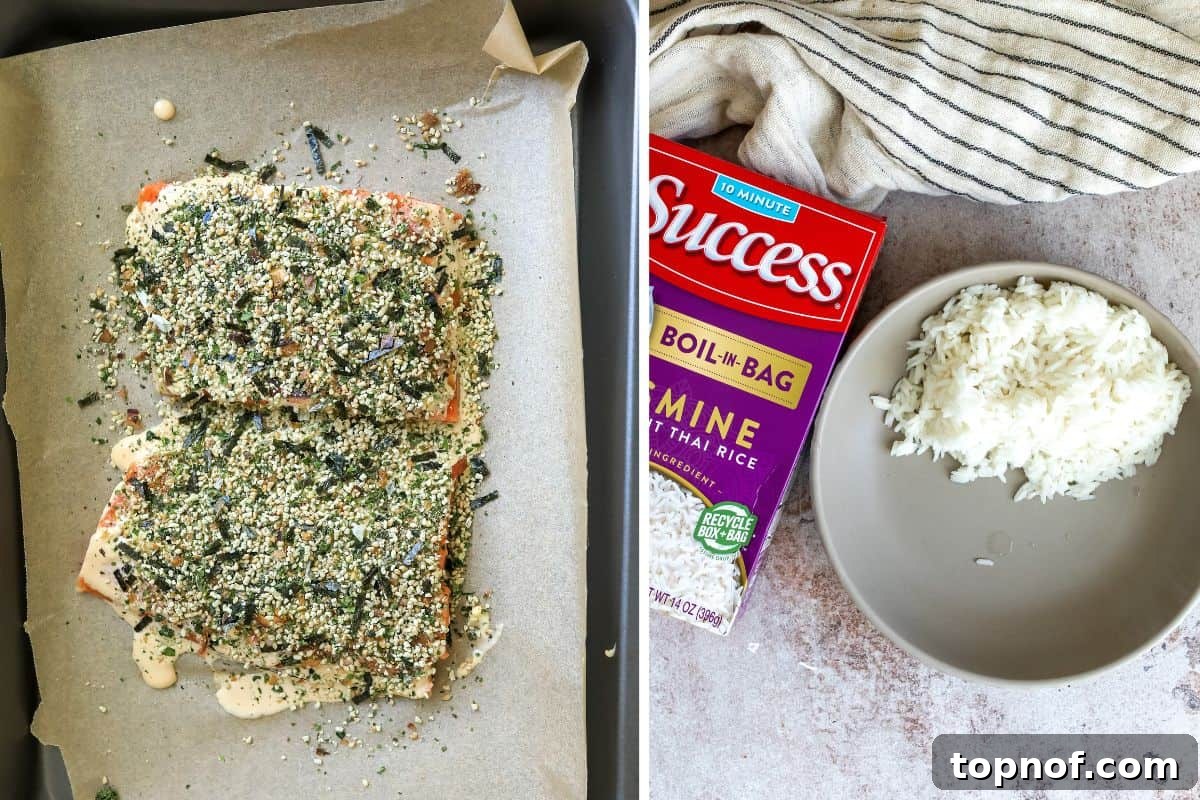
Step Three: Prepare Your Rice. While the salmon bakes, begin preparing your chosen rice. If using Success® Boil-in-Bag Jasmine Rice, follow the package instructions for a quick and convenient cook. If using other rice, ensure it’s cooked to your liking and ready to serve once the salmon is done.
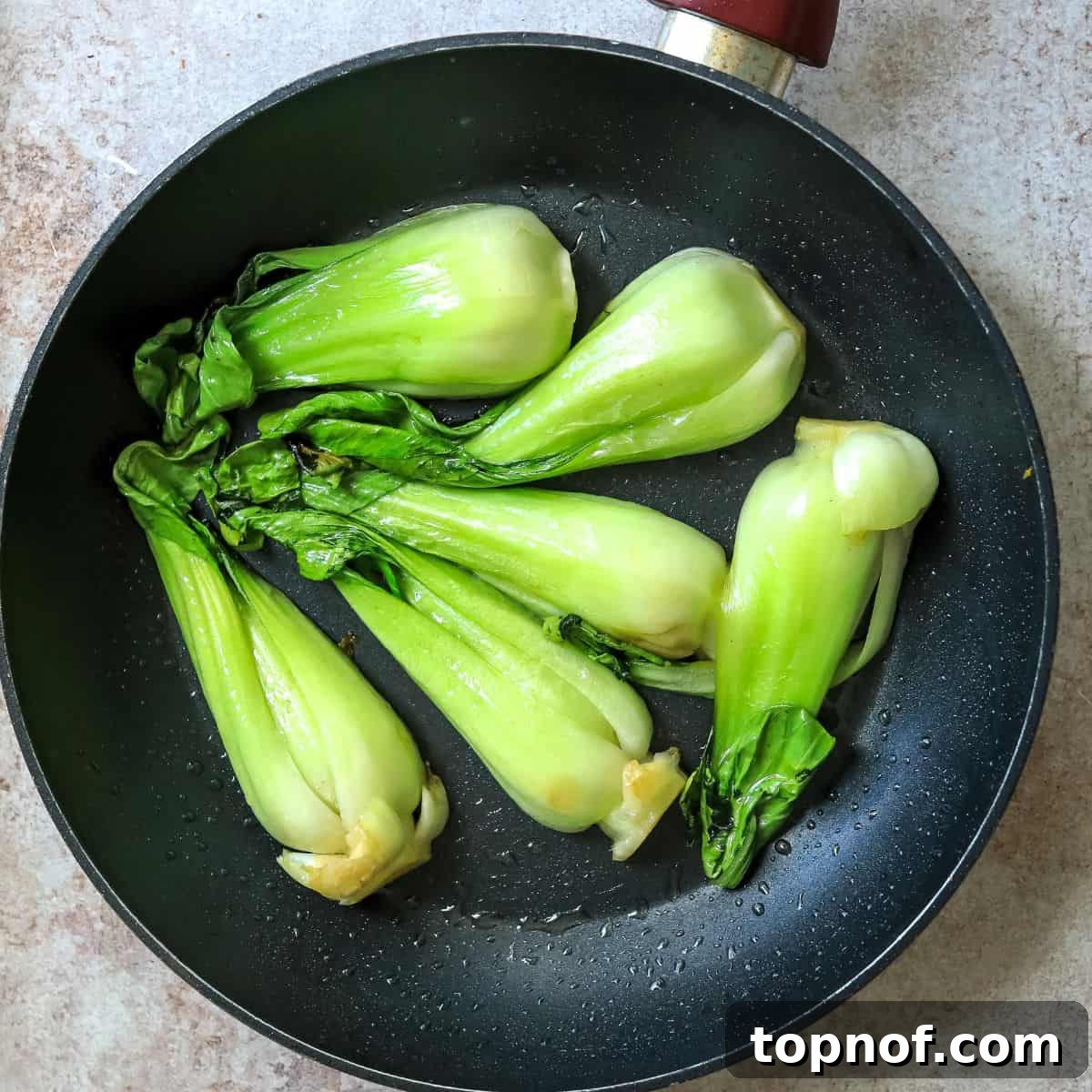
Step Four: Sauté the Baby Bok Choy. In a medium to large skillet, add a light spray or drizzle of oil. Place the baby bok choy halves face-down in the hot skillet. Cook over medium-high heat for approximately 3 minutes, allowing the cut sides to char slightly and develop a wonderful flavor. Then, flip them over and cook for another 2-3 minutes until tender-crisp.
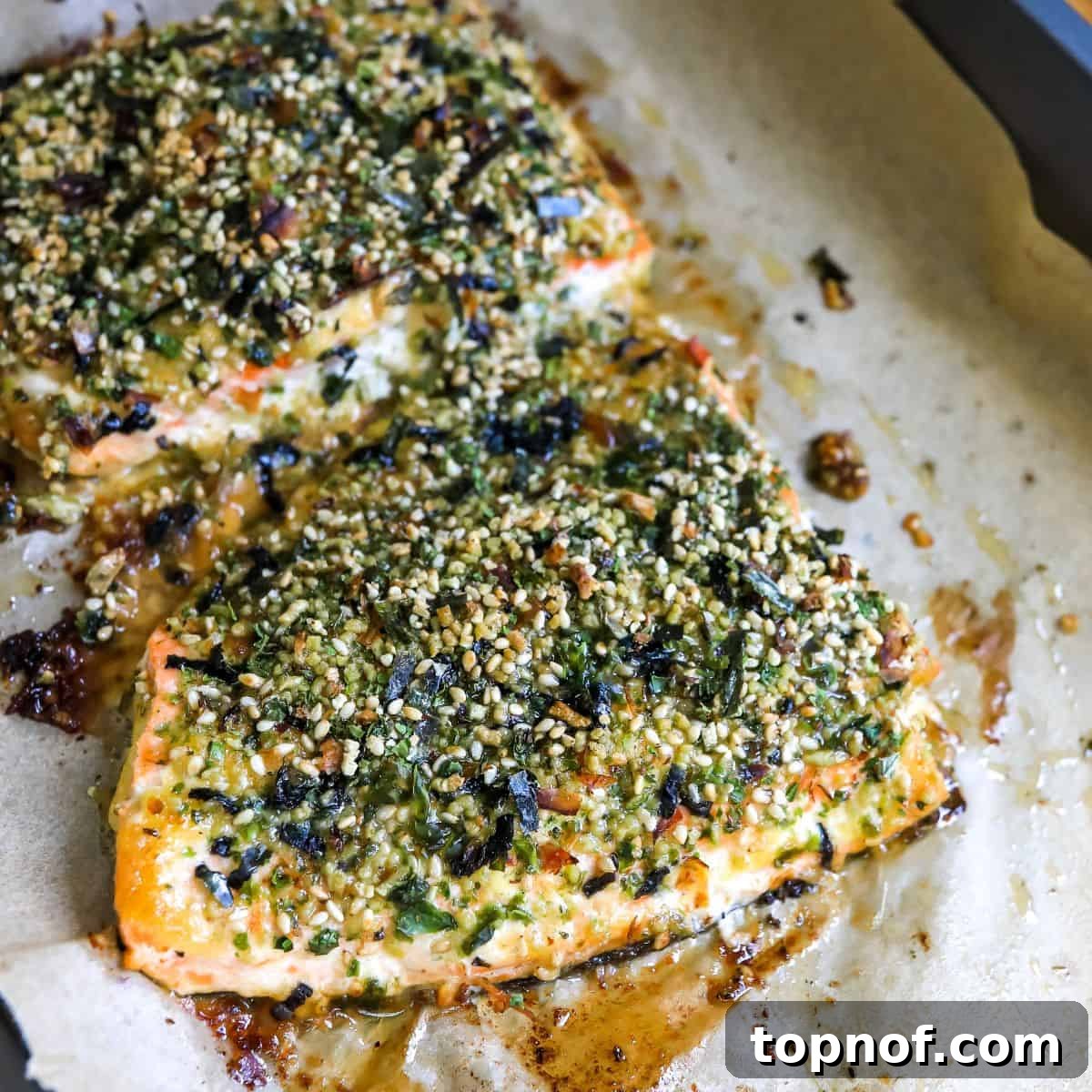
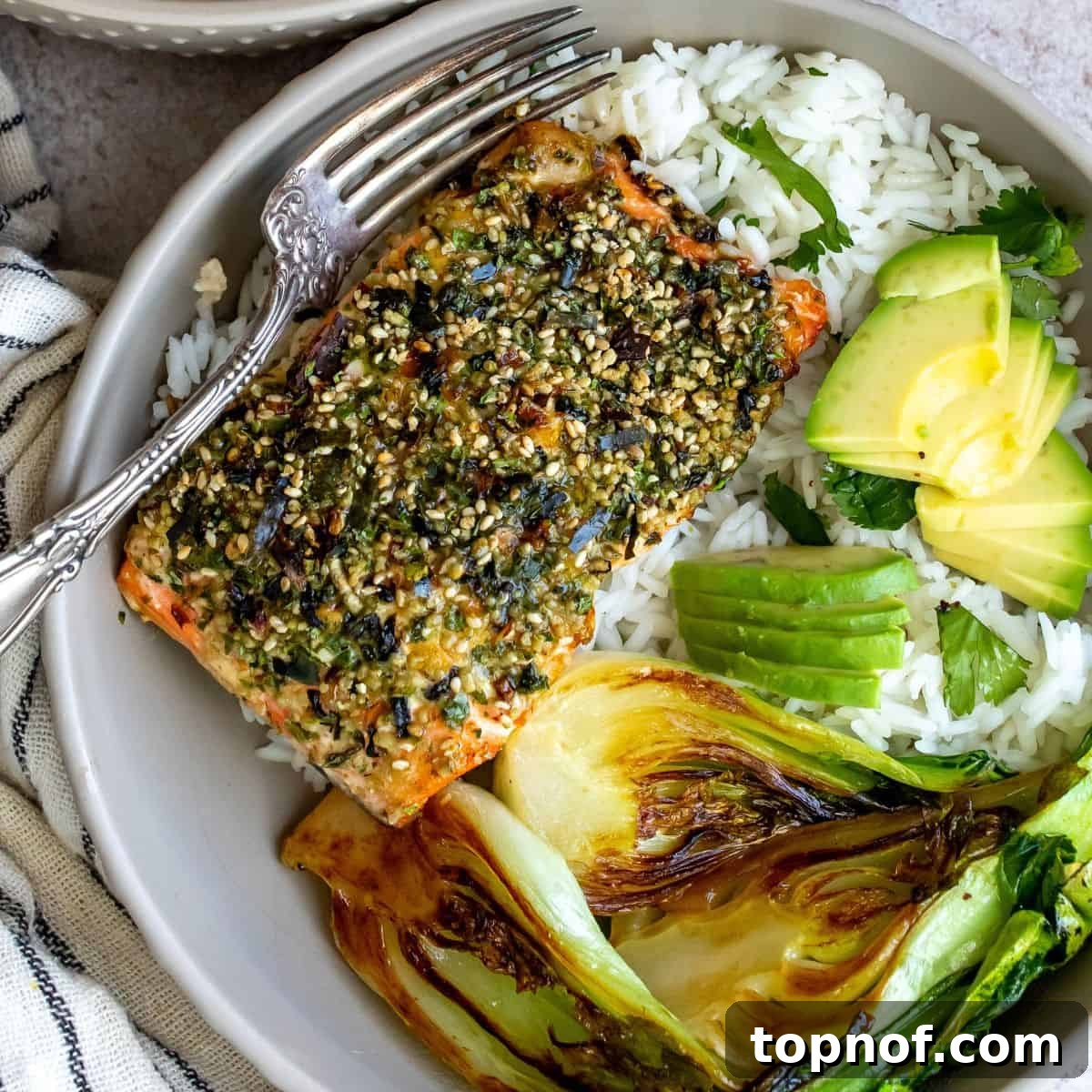
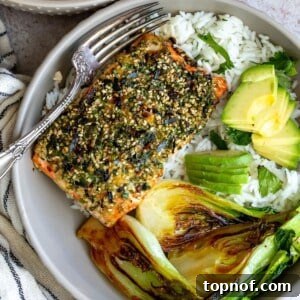
Step Five: Serve and Enjoy! Once both the rice and salmon are ready, it’s time to assemble your delicious meal. I recommend serving the flaky Furikake Salmon over a bed of warm Jasmine rice, with the sautéed baby bok choy arranged neatly on the side. Garnish with fresh avocado slices if desired for added creaminess and visual appeal. Enjoy this easy, flavorful, and healthy dinner!
Expert Tips & Frequently Asked Questions
To ensure your Furikake Salmon turns out perfectly every time, and to address common queries, here are some helpful tips and FAQs:
Absolutely! The beauty of Furikake lies in its variety. Feel free to use your preferred brand and flavor. Whether you opt for a classic blend with sesame and nori, a spicier wasabi-infused version, or one with added vegetable flakes, any Furikake seasoning you enjoy will work wonderfully in this recipe and add its own unique twist.
Yes, you can certainly create a basic homemade version if you’re feeling adventurous or can’t find it locally. For a simple, mild Furikake, try mixing ½ cup of toasted white sesame seeds with 2 sheets of crushed nori (dried seaweed) and ½ teaspoon of salt. While it won’t have the complex depth of commercial blends with fish flakes and other specialty ingredients, it will offer a similar nutty and savory essence to your salmon.
By default, this Furikake Salmon recipe is not spicy. The seasoning itself offers savory, nutty, and umami notes without heat. However, if you choose a specific “wasabi-infused Furikake” blend, then your dish will indeed have a pleasant, horseradish-like kick. Always check the label if you’re sensitive to spice or prefer a spicier meal.
Salmon is done when it reaches an internal temperature of 145°F (63°C) as measured by a meat thermometer. Visually, it should flake easily with a fork in its thickest part, and the flesh should appear opaque throughout, transitioning from translucent to a lighter pink. Be careful not to overcook, as salmon can dry out quickly.
Yes, you can! To pan-fry, heat a little oil in a non-stick skillet over medium-high heat. Cook the salmon skin-side down (if applicable) for 4-6 minutes, then flip and cook for another 3-5 minutes, until cooked through. For air-frying, preheat your air fryer to 375°F (190°C) and cook the prepared salmon for 10-14 minutes, checking for doneness.
Storage and Reheating Tips
If you happen to have any delicious leftovers of your Furikake Salmon, they can be stored and enjoyed later. Allow the salmon and any cooked sides to cool completely before transferring them to an airtight container. Refrigerate promptly, and consume within 2-3 days for the best quality and safety.
To reheat, you can gently warm the salmon in the microwave on a low setting to prevent it from drying out, or for better results, place it in a preheated oven at 275°F (135°C) for about 10-15 minutes, or until just warmed through. This method helps maintain its texture and flavor. Avoid reheating multiple times to preserve quality.
More Delicious Salmon Recipes to Explore
If you’ve fallen in love with the versatility and health benefits of salmon, there’s a world of other exciting recipes waiting for you. Here are a few more salmon creations from my kitchen that you might enjoy:
Discover More Salmon Delights
Dinner
Teriyaki Salmon Rice Bowls
Dinner
Teriyaki Salmon Noodles
Dinner
Tahini Pasta With Salmon Bites
Dinner
Thai Salmon
Thank you for joining me on this culinary journey! If you enjoyed this Furikake Salmon recipe, please let me know by leaving a comment below. For even more exciting and wholesome recipes designed to make you feel good from the inside out, be sure to follow me on Instagram & Pinterest. Your support means the world!
Furikake Salmon
Bailey Rhatigan
10 mins
15 mins
2
Pin Recipe
Rate Recipe
Print Recipe
Equipment
-
1 baking sheet
-
sauté pan
Ingredients
- ½ lb salmon fillets, 5-8 oz fillets
- 1 cup cooked Success Boil-in-Bag Jasmine Rice
- ¼ tsp salt
- ¼ tsp garlic powder
- 2 tbsp mayo, *see notes for alternatives
- ½ tsp soy sauce
- 2½ tbsp Furikake seasoning, *choose your favorite blend
- 3-4 baby bok choy, sliced lengthwise
Instructions
-
Preheat oven to 375ºF (190ºC). In a small mixing bowl, combine mayo and soy sauce. Pat the salmon fillets completely dry. Prepare salmon on a parchment-lined, lightly oiled cooking sheet, skin side down (if it has skin). Season the salmon with a little garlic powder and salt. Spread the mayo mix evenly over the salmon.
-
Generously add the Furikake seasoning over the mayo-coated salmon. The creamy mayo helps the Furikake adhere and adds wonderful flavor. Place the salmon in the preheated oven and bake for 12-15 minutes, or until cooked through and easily flaked with a fork. Baking time may vary based on salmon thickness.
-
While the salmon is cooking, prepare your rice according to package directions.
-
In a medium/large skillet, add a spritz of oil and place the baby bok choy halves with the cut side facing down. Cook on medium-high heat for about 3 minutes to achieve a slight char, then turn them over and cook for another 2-3 minutes until tender-crisp.
-
Once the rice is finished, serve immediately. I like to plate the salmon over the rice and arrange the bok choy on the side. Garnish with avocado slices if desired.
Notes
*You can substitute the mayonnaise with Greek yogurt for a lighter option, though it may affect how well the Furikake adheres.
*Refer to the “Tips & FAQ’s” section above for instructions on how to make your own basic Furikake seasoning.
Nutrition
Calories: 403kcal |
Carbohydrates: 26g |
Protein: 27g |
Fat: 18g |
Saturated Fat: 3g |
Polyunsaturated Fat: 9g |
Monounsaturated Fat: 5g |
Trans Fat: 0.03g |
Cholesterol: 68mg |
Sodium: 662mg |
Potassium: 594mg |
Fiber: 2g |
Sugar: 2g |
Vitamin A: 7597IU |
Vitamin C: 76mg |
Calcium: 210mg |
Iron: 2mg
Nutrition information is automatically calculated, so should only be used as an approximation.
Additional Info
Bailey Rhatigan
10 minutes
15 minutes
Main Course
Japanese
2
403
30 minute, Salmon
Like this recipe? Leave a comment below!