
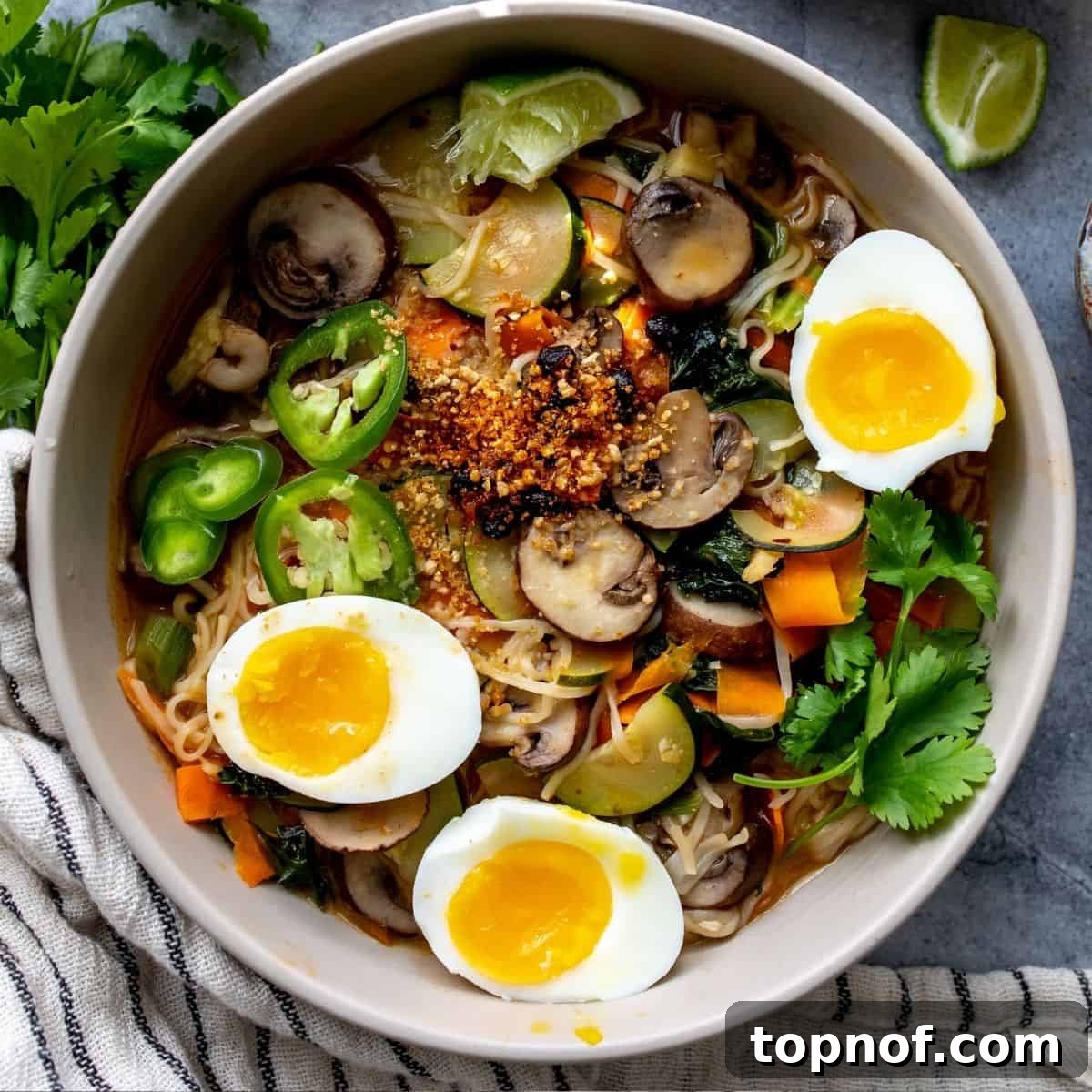
Say goodbye to takeout cravings with this incredible easy homemade ramen recipe! Forget complicated steps and long ingredient lists; this is a true one-pot wonder, delivering a powerhouse of delicious flavors and nutritious vegetables straight to your bowl. It’s the perfect weeknight meal that’s both satisfying and surprisingly simple to prepare.
While I might not be a daily ramen connoisseur, when the craving strikes, it hits hard. That deep, savory broth, the springy noodles, and an abundance of fresh toppings are simply irresistible. Over time, I’ve perfected this recipe, sharing it with numerous ramen enthusiasts who have unanimously approved its authentic, top-notch takeout flavor. Now, it’s your turn to experience the magic of restaurant-quality ramen, made effortlessly in your own kitchen.
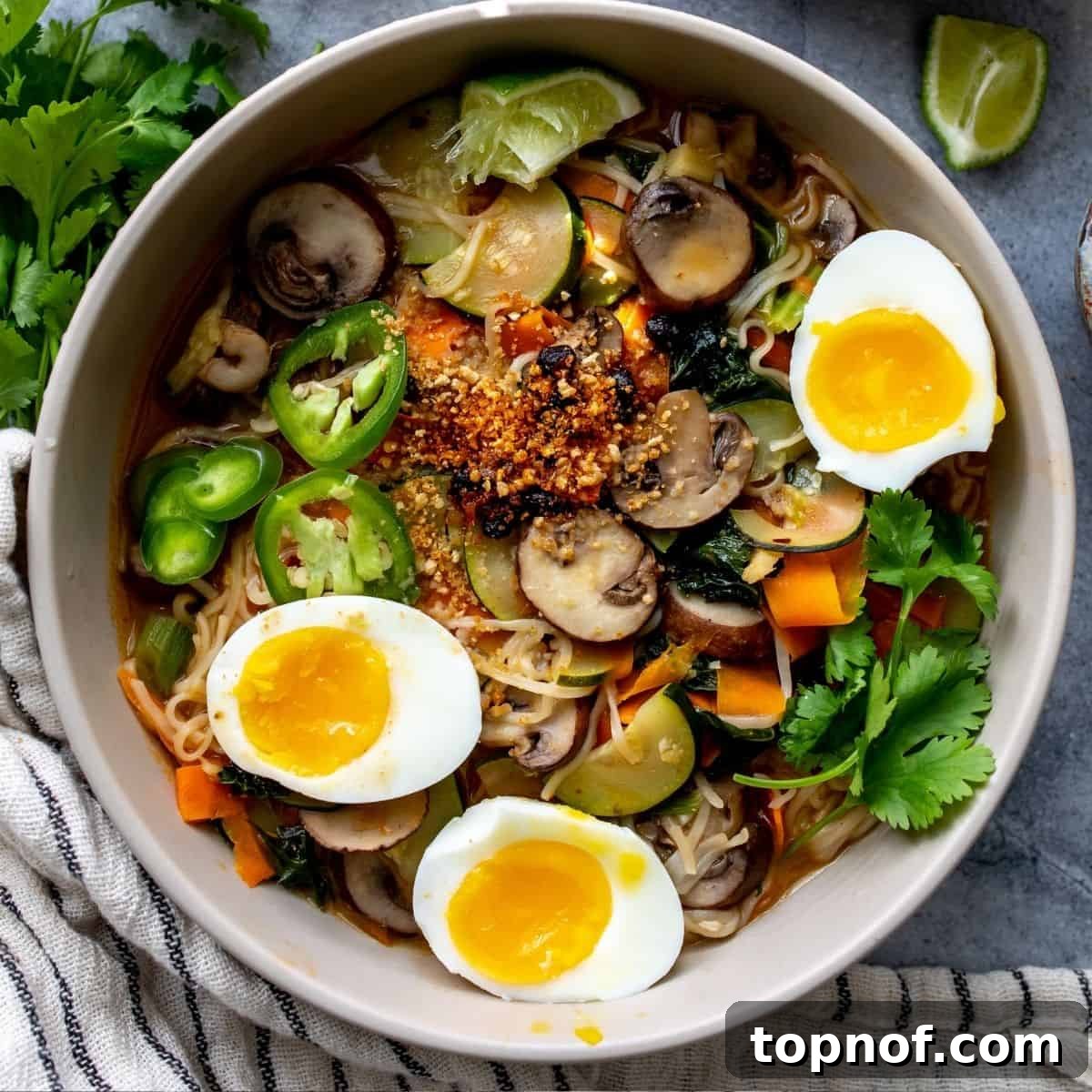
Table of Contents
- Why You’ll Love Making Homemade Ramen
- Key Ingredients for Your Perfect Ramen
- Step-by-Step Guide: Crafting Your One-Pot Ramen
- Frequently Asked Questions About Homemade Ramen
- Tips for the Best Homemade Ramen
- More Delicious Recipes to Explore
Why You’ll Love Making Homemade Ramen
There are countless reasons to swap your usual takeout order for a homemade ramen creation. Beyond the sheer satisfaction of cooking a delicious meal, crafting your own ramen offers a multitude of benefits:
- Full Control Over Ingredients: When you make ramen at home, you dictate exactly what goes into your bowl. This means you can opt for organic vegetables, choose low-sodium broths, and avoid any artificial additives often found in restaurant dishes. It’s an excellent way to ensure your meal is as healthy and wholesome as possible.
- Packed with Nutritious Veggies: This recipe is designed to be a vehicle for vibrant, healthful vegetables. You can load up on carrots, kale, mushrooms, and zucchini, providing essential vitamins, minerals, and fiber. Plus, you can easily adapt the vegetable selection based on what’s fresh and in season, ensuring maximum nutritional value and flavor.
- Significant Cost Savings: Ramen from your favorite restaurant can quickly add up, especially if it’s a frequent craving. Making it at home is far more economical, allowing you to enjoy this comforting dish more often without breaking the bank. You’ll be surprised how affordable it is to create a gourmet experience on a budget.
- Perfect for Any Diet: This versatile recipe effortlessly caters to various dietary needs. For vegetarians, simply use vegetable broth and skip the eggs. To make it completely vegan, use soy sauce or tamari instead of fish sauce and, of course, no eggs. It’s also easily adaptable for gluten-free diets by substituting traditional ramen noodles with gluten-free alternatives like rice noodles or even spiralized zucchini.
- Customization to Your Palate: Whether you prefer a milder broth or a fiery kick, you have the freedom to adjust the spice level with sriracha or jalapeños. Experiment with different toppings, proteins (like tofu, chicken, or shrimp), and additional seasonings to create your signature ramen bowl every time.
- Simplified One-Pot Cooking: The beauty of this recipe lies in its simplicity. Most of the cooking happens in a single pot, minimizing cleanup and making it a perfect option for busy weeknights. It’s a testament that incredible flavor doesn’t have to come with a complicated process.
Key Ingredients for Your Perfect Ramen
Gathering the right components is the first step to a magnificent ramen experience. Here’s a detailed look at what you’ll need, along with some helpful tips for each:
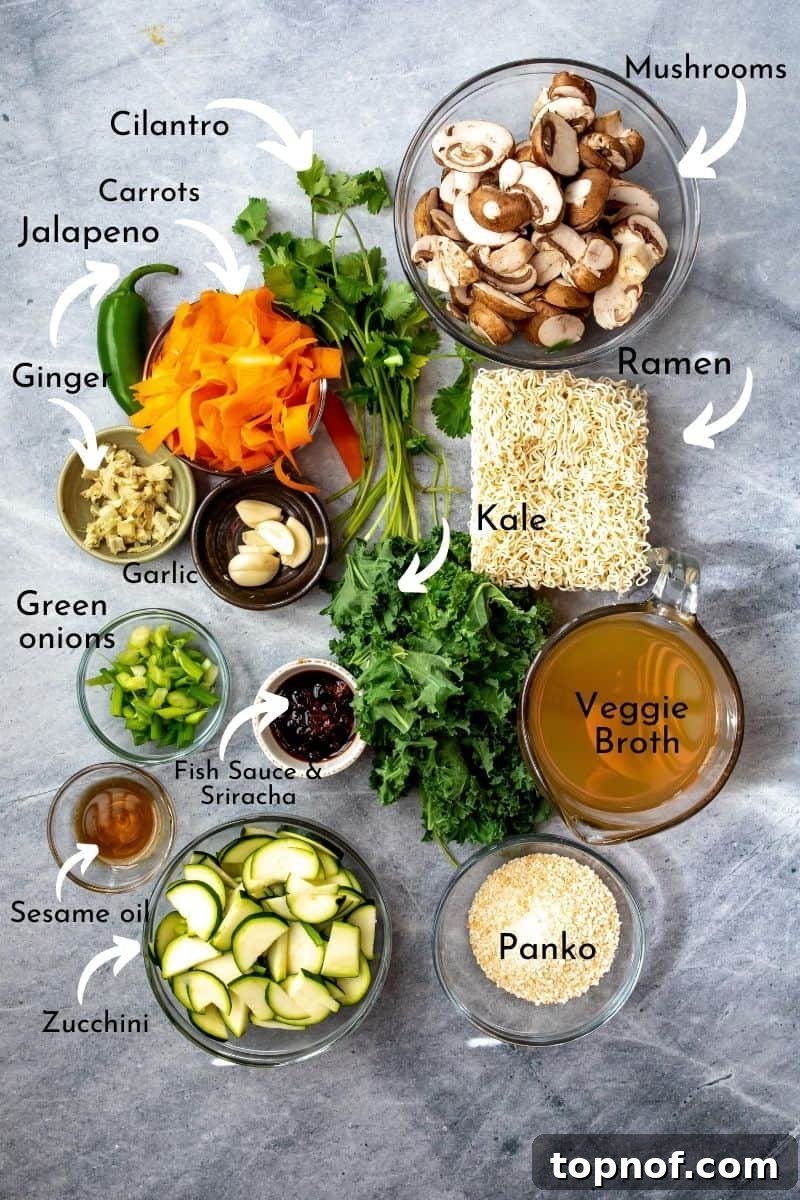
- Dry Ramen Noodles: We’re focusing on the noodles themselves, not the flavor packets! Choose good quality dry ramen noodles for the best texture. You can find excellent options at Asian markets or even many mainstream grocery stores. This brand is a reliable choice for its consistent quality.
- Broth: The soul of your ramen! You have options here:
- Vegetable Broth: Essential if you’re making a vegetarian or vegan ramen. Opt for a low-sodium version to control the overall saltiness.
- Chicken Broth: For a richer, more traditional flavor profile (if not vegetarian).
- Mushroom Broth: Can also be a fantastic vegan alternative, offering a deeper umami flavor.
- Sesame Oil: Used for sautéing aromatics and adding a distinct nutty aroma to the broth. Don’t confuse it with toasted sesame oil, which is typically used as a finishing oil.
- Sliced Mushrooms: Any variety works beautifully – cremini, shiitake, or even white button mushrooms add an earthy depth and meaty texture.
- Carrots: Peeled and thinly sliced or shaved, carrots contribute natural sweetness and a vibrant color.
- Kale: A nutritional powerhouse! Chopped kale holds up well in the hot broth without becoming overly soggy. Spinach is a good alternative if you prefer, but add it closer to the end of cooking.
- Fresh Ginger: Finely minced, fresh ginger is crucial for that authentic, warming ramen flavor. Don’t skip it!
- Fresh Garlic: Minced garlic pairs perfectly with ginger to create the aromatic base for the broth.
- Cilantro: Fresh cilantro adds a bright, herbaceous finish. If you’re not a fan, green onions are an excellent alternative.
- Jalapeño (Optional): For those who love a bit of heat! Thinly slice it for a gentle kick.
- Fish Sauce: This provides a powerful umami punch, often described as savory or meaty. If you’re making a vegetarian or vegan version, use soy sauce or liquid aminos as a direct substitute to maintain that savory depth.
- Sriracha: Your go-to for customizable heat. Add more or less to achieve your desired level of spice.
- Panko or Bread Crumbs: A secret weapon for texture! Toasted bread crumbs add a delightful crunch that contrasts beautifully with the soft noodles and broth. Panko bread crumbs generally offer a crispier texture.
- Green Onions: Sliced green onions are a classic ramen topping, offering a fresh, mild onion flavor and a pop of color.
- Optional Toppings:
- Soft Boiled Eggs (7-minute eggs): A quintessential ramen topping, providing a creamy yolk and rich protein.
- Chili Sauce: For an extra layer of heat and flavor.
- Sliced Limes: A squeeze of fresh lime juice brightens the entire dish with a zesty tang.
- Tofu, Chicken, or Beef: Add your favorite protein for a heartier meal.
Step-by-Step Guide: Crafting Your One-Pot Ramen
Making this ramen is a straightforward process, designed for maximum flavor with minimal fuss. Follow these simple steps to create a truly unforgettable meal:
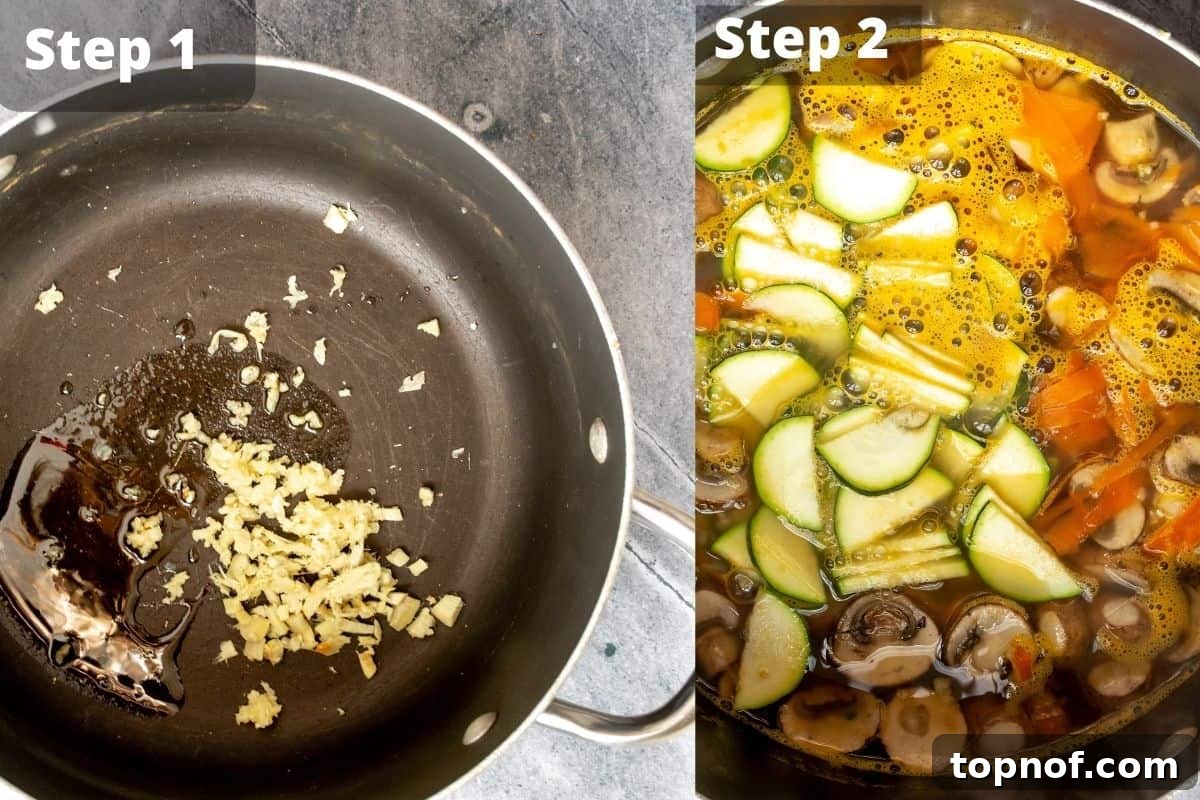
Step One: Sauté the Aromatics and Vegetables
Begin by heating 1 tablespoon of sesame oil in a large 5-quart pot or Dutch oven over medium heat. While the oil warms, prepare your aromatics: peel the ginger with a potato peeler, then mince it finely. Do the same for the garlic. Add the minced garlic and ginger to the pot and sauté for about 2 minutes until fragrant, being careful not to burn them. Next, add your sliced mushrooms and peeled, thinly sliced carrots. Continue to sauté for approximately 5 minutes more, allowing the vegetables to soften slightly and release their flavors.
Step Two: Build the Broth and Add Remaining Veggies
Pour in the vegetable broth (or chicken broth), water, fish sauce (or soy sauce for vegetarian/vegan), and sriracha. Season with any additional salt needed to taste. Now, it’s time for the remaining fresh vegetables. Chop the zucchini into thin half-moon shapes and add them to the pot along with the chopped kale. Bring the entire mixture to a gentle simmer, which should take about 10 minutes. Once simmering, carefully add the raw ramen noodles to the pot and cover it with a lid.
Step Three: Simmer the Ramen and Prepare Toasted Crumbs
Allow the mixture to simmer, covered, for about 10 more minutes. This crucial time allows all the flavors to meld beautifully and the ramen noodles to soften to perfection. While the ramen is simmering, take a separate small pan and add 1 teaspoon of sesame oil. Heat it over medium-high heat, then add the panko or breadcrumbs. Stir frequently, toasting the crumbs until they turn a beautiful golden brown and become delightfully crisp. Once toasted, set them aside.

Step Four: Serve and Garnish Generously
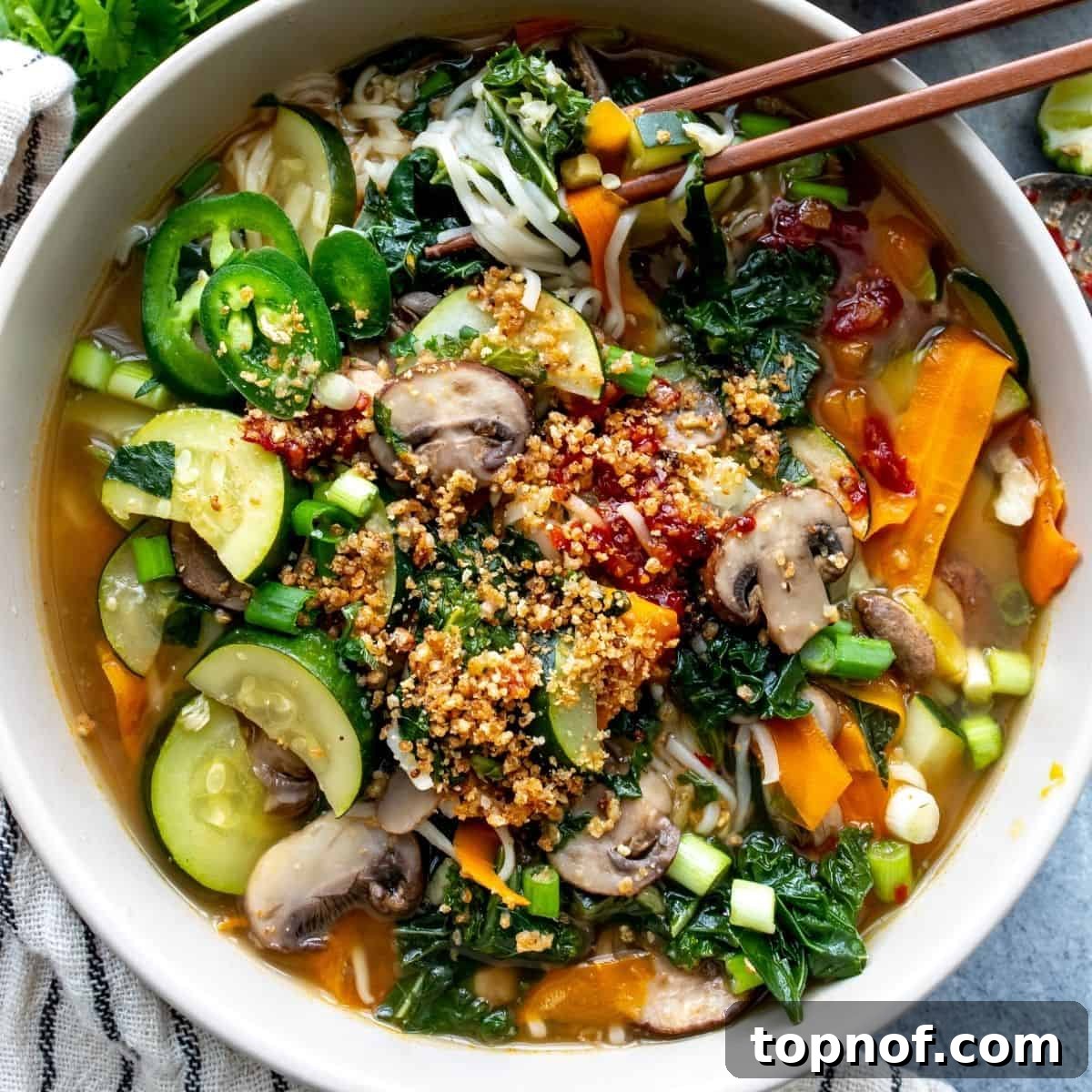
Once the ramen noodles are fully cooked and tender, taste the broth. This is your chance to adjust the seasoning – if you like more heat, add an extra dash of sriracha. If the flavor is just right, turn off the heat. Ladle the hot ramen into individual bowls. Now for the fun part: garnishing! Top generously with the toasted breadcrumbs, chopped green onions, and fresh cilantro. For an extra flourish and flavor, add optional lime wedges (or a squeeze of fresh lime juice), a drizzle of chili sauce, and a perfectly cooked soft-boiled egg. Feel free to incorporate other protein options like pan-fried tofu, shredded chicken, or thinly sliced beef to make your bowl even more substantial.
Frequently Asked Questions About Homemade Ramen
Making this ramen vegan or vegetarian is incredibly easy! The core recipe is already largely plant-based. Simply ensure you use vegetable broth instead of chicken broth. For a completely vegan version, omit the soft-boiled eggs and substitute the fish sauce with an equal amount of soy sauce or tamari (for gluten-free). Many brands also offer vegan “fish sauce” alternatives if you want to replicate that specific umami profile.
The broth is key to a flavorful ramen! To enhance its depth, you can add more sriracha for heat, and soy sauce or fish sauce (or their vegetarian alternatives) by the teaspoon until you reach your desired savory intensity. Other flavor boosters include a teaspoon of miso paste dissolved in a little warm broth before adding to the main pot, a dash of rice vinegar for brightness, or a sprinkle of white pepper for subtle warmth. Don’t be afraid to taste and adjust as you go!
While not strictly essential for the ramen itself, the toasted bread crumbs add an incredibly delightful crunch and textural contrast to the dish. They elevate the experience from a simple soup to a multi-sensory meal. We highly recommend trying them at least once – you might find them to be your new favorite ramen topping!
This homemade ramen will keep well in an airtight container in the fridge for up to 3-4 days. However, please note that the ramen noodles will absorb more broth and become softer the longer they sit. For the best texture, it’s ideal to enjoy it fresh. If you plan to make a large batch for meal prep, we suggest storing the broth and vegetables separately from the cooked noodles, adding the noodles just before reheating and serving.
Freezing ramen can be tricky because noodles tend to get mushy when thawed. Our recommendation is to freeze the broth and vegetable mixture by itself. When you’re ready to enjoy it, simply defrost and reheat the broth, then cook fresh ramen noodles to add just before serving. This method ensures you always have a delicious, fresh-tasting bowl of ramen.
This ramen is incredibly versatile! Beyond soft-boiled eggs, you can easily add pan-fried or baked tofu (for vegetarian/vegan), shredded rotisserie chicken, thinly sliced beef (like sirloin or flank steak), or even cooked shrimp. Each protein adds its own unique flavor and texture, allowing you to customize your ramen to your liking.
Tips for the Best Homemade Ramen
- Don’t Overcook the Noodles: Ramen noodles cook quickly. Keep an eye on them and remove the pot from the heat as soon as they are tender but still have a slight bite (al dente). Overcooked noodles become mushy and lose their desirable texture.
- Taste and Adjust Seasoning: The beauty of homemade food is the ability to customize. Always taste your broth before serving and adjust the sriracha, fish sauce/soy sauce, and salt until it perfectly suits your preference. A squeeze of lime juice at the end can also brighten all the flavors.
- Fresh Ingredients Make a Difference: While convenience is great, using fresh garlic, ginger, and crisp vegetables will elevate your ramen to another level. Their vibrant flavors are truly noticeable.
- Garnish Generously: Don’t underestimate the power of toppings! They add texture, flavor, and visual appeal. Be generous with your green onions, cilantro, toasted breadcrumbs, and any other extras you love.
- Prepare Toppings Ahead: If you’re short on time during dinner, prepare your toppings (chop greens, slice jalapeño, boil eggs) in advance. This makes assembly quick and enjoyable.
More Delicious Recipes to Explore
If you loved this comforting ramen, be sure to check out these other wholesome and delicious recipes:
- The Best Veggie Stew
- Lemon Pasta With Zesty Zucchini
- Sun Dried Tomato Pesto Pasta
We hope you thoroughly enjoy making and devouring this easy homemade ramen. It’s a dish that proves healthy, flavorful meals don’t have to be complicated. If you loved this recipe, please let us know in the comments below! Don’t forget to follow me on Instagram and Pinterest for even more fun and feel-good recipes to nourish you from the inside out. Thanks for being here and happy cooking!

Homemade Vegetarian Ramen
Bailey Rhatigan
10 mins
28 mins
4
Rate Recipe
Print Recipe
Ingredients
- 1 tbsp sesame oil
- 4 tsp minced garlic
- 3 tsp minced ginger
- 3 cup water
- 4 cup veggie broth, *
- 1½ cup sliced mushrooms , any type
- 1 cup peeled carrots
- 1 cup halved zucchinis
- 2 cups chopped kale
- 2 packs raw ramen noodles
- 3 tbsp fish sauce, use soy or aminos for vegetarian
- 2 tbsp sriracha , use 3 tbsp for a spicier broth
- 2 tbsp fresh cilantro
- 2 tbsp chopped green onions
- 1 fresh lime sliced , optional
- 1 thinly sliced Jalapeño, optional
For toasted bread crumbs
- ½ tsp salt
- ½ cup panko or bread crumbs
- 1 tsp sesame oil
Instructions
- Using a large 5 quart pot, on medium heat add the sesame oil to the pot. Skin the ginger with a potato peeler before mincing it. Add in chopped garlic and ginger to the pot and sauté for about 2 minutes. Next add in mushrooms and carrots. Be sure to skin the carrots first, use a potato peeler to shave them for the ramen. Sauté for about 5 minutes more.
- Add in the broth, water, fish sauce or soy sauce, sriracha and any added salt needed. Chop zucchini into thin half moon shapes. Add in the Zucchini, kale last. Bring to a simmer, about 10 minutes. Once it is simmering, add in raw ramen noodles and cover.
- Simmer the mixture for about 10 more minutes to combine flavors and soften ramen. While it is simmering, add sesame oil to a pan and on medium high heat, add in the panko or breadcrumbs. Stir often to brown all the sides.
- Toast the crumbs until golden brown, set aside. Once ramen noodles are fully cooked, softened, taste the broth to see if you’d like more sriracha. If the flavor is good for you, turn off heat and serve. Top with bread crumbs, chopped green onions, cilantro, optional lime wedges/juice, chili sauce and soft boiled eggs. You may also add in other protein options like tofu, chicken or beef.
Notes
*If you let the ramen sit overnight, it will get a bit spicier in flavor so keep this in mind!
Nutrition
Carbohydrates: 23g |
Protein: 6g |
Fat: 6g |
Saturated Fat: 1g |
Polyunsaturated Fat: 2g |
Monounsaturated Fat: 2g |
Sodium: 2620mg |
Potassium: 557mg |
Fiber: 2g |
Sugar: 6g |
Vitamin A: 9281IU |
Vitamin C: 54mg |
Calcium: 109mg |
Iron: 2mg
Nutrition information is automatically calculated, so should only be used as an approximation.
Additional Info